7 Days in Seoul Itinerary: Best Cafés, Hanoks, & Suwon Day Trip
If you’re planning your first trip to South Korea, this 7 days in Seoul itinerary will help you experience the perfect mix of tradition, modern city life, cozy cafés, and even a beautiful day trip outside the capital.
Disclaimer: Some of the links in this post are affiliate links, which means I may earn a small commission — at no extra cost to you — if you make a purchase through them. You can read my full disclaimer here.
After spending five days exploring Jeju Island in spring, we flew back to Seoul and dedicated a full week to discovering the city at a slower pace. Instead of rushing through landmarks, we focused on meaningful experiences — traditional hanok villages, peaceful temple visits, lively street markets, aesthetic cafés, scenic walking routes, and a memorable day trip to Suwon.
What I love most about Seoul is how effortlessly it blends old and new. In one morning, you can walk past centuries-old palace gates, explore a quiet hanok neighborhood, and then end your day in a futuristic design plaza or sipping specialty coffee in a trendy district like Seongsu.
This Seoul 1 week itinerary is perfect for:
- First-time visitors to South Korea
- Travelers visiting in spring
- Café lovers
- Slow travelers who enjoy walking and discovering neighborhoods
- Anyone who wants a balanced mix of culture, food, and modern Seoul
You’ll find detailed daily breakdowns, personal experiences, practical tips, and honest insights — including what’s worth lining up for and what you can skip.
And if you prefer watching the full experience, this itinerary is also featured on my Seoul vlog on YouTube.
Travel Tips for Visiting Seoul
Before diving into this 7 days in Seoul itinerary, here are some practical tips that made our trip smoother — especially as first-time visitors to South Korea.
Best Time to Visit Seoul
Seoul is beautiful year-round, but the most popular seasons are:
Spring (April–May)
This is my personal favorite. The weather is cool and comfortable, perfect for walking. Cherry blossoms usually bloom in early to mid-April, depending on the year. Parks like Yeouido, Seoul Forest, and palace grounds become incredibly photogenic. It’s also less humid compared to summer.
Fall (October–November)
Crisp air, blue skies, and golden foliage. Great for hiking and exploring outdoor areas like Naksan City Wall or palace gardens.
Summer (June–August)
Hot and humid with occasional heavy rain (monsoon season in July). Not ideal for long walking days unless you’re used to humidity.
Winter (December–February)
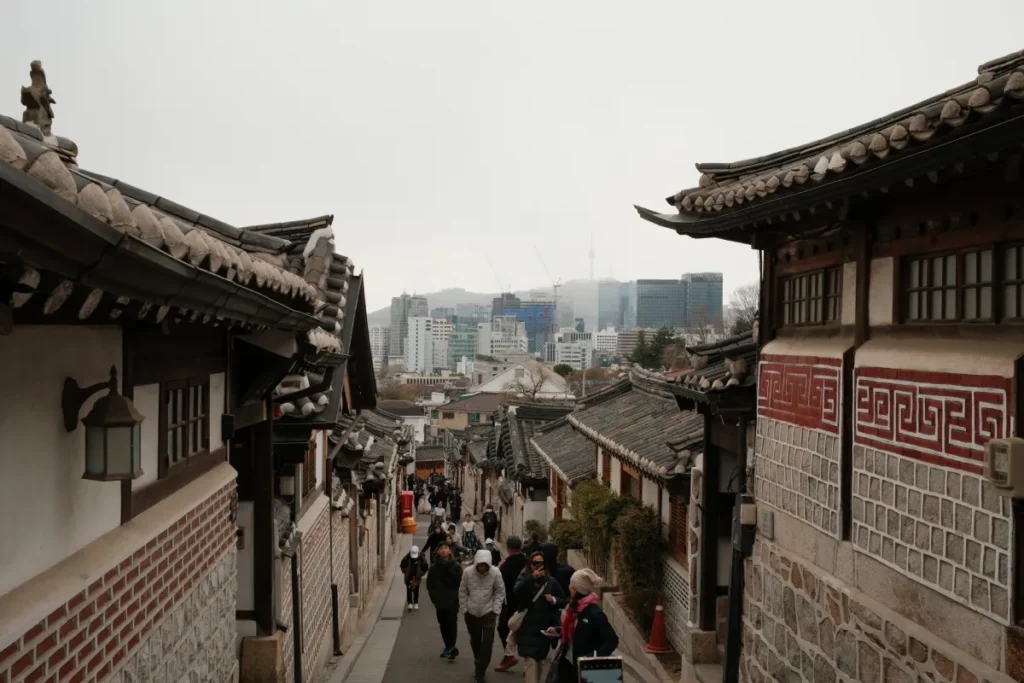
Cold but magical if you’re lucky enough to see snow — like we did in Bukchon! Just be prepared for freezing temperatures.
If you’re following this exact itinerary, spring or fall are the most comfortable seasons.
How to Get Around Seoul
Seoul has one of the best public transportation systems in the world.
Subway
The subway is:
• Clean
• Affordable
• Well-connected
• English-friendly
Most major attractions in this itinerary are accessible by subway.
T-money vs Climate Card
T-money Card
• Pay-per-ride transportation card
• Works on subway, buses, and taxis
• Best for short stays or lighter transport use
Climate Card
• Unlimited rides within Seoul for a fixed period
• Great value if you’re using public transport 3+ times per day (which you probably will on this 7-day itinerary)
We walked a lot, but still used public transport multiple times daily — so the Climate Card can definitely be worth it.
Navigation App
Download Naver Map. Google Maps is not very accurate in South Korea for walking and public transport routes. Naver Map gives:
• Real-time bus and subway schedules
• Exact exits to take
• Fastest route options
It was honestly our most-used app in Seoul.
Where to Stay in Seoul
Based on this itinerary, here are the best neighborhoods:
Jongno / Gwanghwamun (Best for First Timers)
• Close to palaces, hanok villages, Insadong, and traditional areas
• Walkable and central
• Great if you want to mix history + modern city
We stayed near this area and loved how convenient it was.
High-End Hotels
• Four Seasons Hotel Seoul – Luxury 5★ hotel with elegant rooms, spa, and impeccable service — great for a comfortable, memorable stay near Seoul’s cultural core.
• Luxury Hanok The Bukchon Noble – Traditional hanok stay in Bukchon that combines authentic Korean architecture with modern comfort in a peaceful, central location.
Mid-Range Hotels
• JW Marriott Dongdaemun Square Seoul – Stylish modern hotel near Dongdaemun and relatively close to Gwanghwamun’s historic area.
• Nine Tree by Parnas Seoul Insadong – Comfortable and well-rated property in Insadong, close to traditional neighborhoods and tea houses.
Budget / Value Hotels
• Nine Tree by Parnas Seoul Dongdaemun – A reliable budget-friendly choice with good comfort and location.
• tong tong petit hotel– A friendly boutique hotel in central Seoul offering clean, compact rooms and easy access to shopping and transport.
Hongdae
• Youthful, trendy, lively
• Great nightlife and street performances
• Lots of shopping and cafés
• Perfect for younger travelers or solo travelers
High-End Hotels
• RYSE, Autograph Collection – Trendy boutique hotel with a bold design and luxury touches, perfect for style lovers and nightlife seekers.
• L7 Hongdae– A highly loved hotel by LOTTE with modern rooms and prime Hongdae location — excellent for café hopping and night vibes.
Mid-Range Hotels
• Mercure Ambassador Seoul Hongdae – Comfortable mid-range stay with solid reviews and easy access to Hongdae’s main attractions.
• Holiday Inn Express Seoul Hongdae by IHG – A consistent choice for quality and value in the heart of Hongdae.
Budget / Value Hotels
• Hongdae Style Guesthouse – Guesthouse options with local charm and lower prices.
• Nabi Hostel – A highly rated hostel if you want budget beds but a social vibe.
Myeongdong – Best for Shopping, Street Food & Central Location
Myeongdong is one of Seoul’s most popular areas for first-time visitors — busy, convenient, and close to subway lines, street food, cosmetics shops, and the major tourist spots.
Why stay here: Super central — you can walk to street food stalls, souvenir shops, and landmarks like Namdaemun Market and City Hall.
High-End Hotels
• Lotte Hotel Seoul – Classic luxury stay in the heart of Seoul with easy access to Myeongdong’s shopping streets and great transport links (station nearby).
• L’Escape Hotel – Stylish boutique luxury hotel right by Myeongdong’s main shopping area, perfect for fashion lovers.
Mid-Range Hotels
• Ibis Ambassador Seoul Myeongdong – Reliable mid-range option with modern amenities and excellent location within walking distance of shops and street food.
• Aloft Seoul Myeongdong – Comfortable and contemporary hotel with great service and easy access to the subway.
Budget / Value Hotels
• Sotetsu Fresa Inn Seoul Myeongdong – Simple, clean, and good value with a convenient location close to restaurants and transport.
• 24 Guesthouse Myeongdong – A budget-friendly choice with basic comforts and shared spaces — great for solo or backpacker travelers.
Gangnam – Best for Shopping, Dining & Trendy Corporate Vibe
Gangnam is Seoul’s upscale business, shopping, and nightlife district — famous globally thanks to Gangnam Style. The area offers high standards of service, polished hotels, and great dining and shopping options, but it’s a bit farther from the historic city center compared to Myeongdong.
Sleek district vibe with great nightlife, shopping at COEX & Garosu-gil, and a modern Seoul experience — perfect if you like polished urban energy.
High-End Hotels
• InterContinental Grand Seoul Parnas – A luxury stay with refined rooms and direct access to COEX Mall and subway lines — excellent for upscale travelers.
• Park Hyatt Seoul – Premium minimalist design hotel known for its elegant interiors and panoramic views over Gangnam.
Mid-Range Hotels
• L7 Gangnam by Lotte – Trendy mid-range choice with stylish interiors, great rooftop bar, and walking proximity to restaurants and cafés. (Commonly recommended by travellers comparing Gangnam stays)
• Aiden by Best Western Cheongdam – Well-reviewed boutique mid-range hotel that’s often easier on the wallet than other Gangnam options.
Budget / Value Hotels
• Dormy Inn SEOUL Gangnam – Highly rated affordable hotel with warm service and clean rooms and a favorite for budget travelers in Gangnam.
• Hotel Peyto Gangnam – Good value choice with comfort and decent location, ideal for longer stays or those who want easy access to subway lines.
Transportation Tips
Airport Transfer (Incheon to Seoul)
From Incheon International Airport you can take:
• AREX Express Train (fastest option to Seoul Station)
• All-stop train (cheaper but slightly longer)
• Airport limousine bus (convenient if staying outside city center)
• Taxi (expensive but easiest if carrying lots of luggage)
Taxis in Seoul
• Affordable compared to many European cities
• Drivers usually don’t speak much English
• Show the destination in Korean (Naver Map helps with this)
• Kakao T app is useful for booking taxis
Bikes Along the Han River
You can rent public bikes (Seoul Bike / Ddareungi) near the Han River. If you’re visiting places like Banpo Bridge or Seoul Forest, biking is actually more efficient than walking long distances. We learned this the hard way after walking too much along the Hangang bike road.
What to Pack for Seoul (Especially in Spring)
Here’s what I found most useful:
• Light jacket or trench coat (mornings and evenings can be cool)
• Comfortable walking shoes (you will walk A LOT)
• Small umbrella (weather can change quickly)
• Reusable water bottle
• Portable charger (you’ll use Naver Map constantly)
• Camera or phone with good storage (trust me — Seoul is photogenic)
• Crossbody bag with zipper (markets can get crowded)
If visiting in cherry blossom season, consider:
• Soft pastel outfits for photos
• Sunglasses for bright spring days
Extra Helpful Tips
• Many cafés open around 10–11 AM. Plan early breakfasts carefully.
• Some popular restaurants require lining up — but service is usually fast.
• Bring cash for traditional markets.
• Convenience stores (CU, GS25, 7-Eleven) are everywhere and super useful.
• English is available in major tourist areas, but basic Korean phrases are appreciated.
Seoul is incredibly organized and easy to navigate once you understand the transport system. With just a little planning, this 7 days in Seoul itinerary becomes smooth, enjoyable, and surprisingly stress-free — even for first-time visitors.
7 days in Seoul itinerary (Day-by-Day)
DAY 1 – Ikseondong & Myeongdong
Flight: Jeju → Seoul
We flew back to Seoul in the morning. It felt bittersweet leaving Jeju behind.
If you haven’t read my Jeju spring itinerary yet (full of cherry blossoms, canola fields, beaches, waterfalls, and cozy cafés), make sure to check that out after this!
Ikseondong Brunch – Ikseon Yorok Restaurant 익선요록
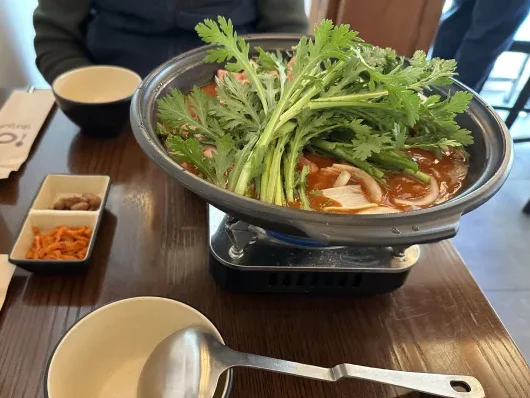
We were starving after landing, so we headed straight to Ikseondong. We ate at 익선요록 (right in front of BBAT) and ordered budae-jjigae (army stew) — spicy, hearty, and perfect for a chilly day.
Ikseondong is a trendy neighborhood filled with restored hanok houses turned into cafés, boutiques, and restaurants. It’s one of the most charming areas in Seoul — traditional architecture mixed with modern café culture. The streets were buzzing, and even though it was crowded, the atmosphere felt lively and fun.
BBAT Bakery & Café
A popular café in Ikseondong famous for its honey butter bread. It’s one of the most talked-about cafés in the area, especially for dessert lovers.
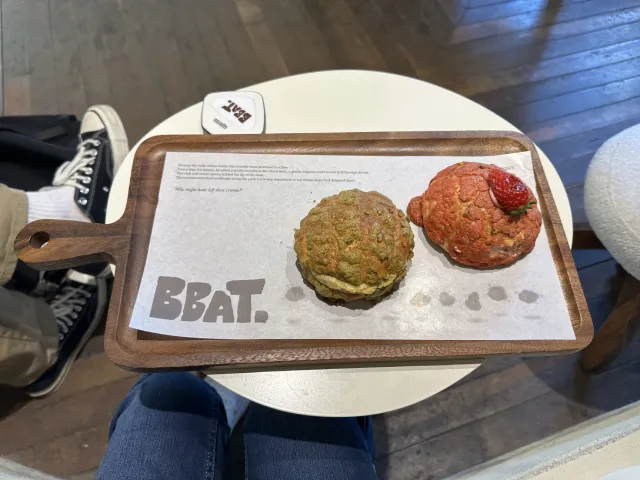
It was packed — not sure if it was because it was Saturday or because Ikseondong is always busy. We ordered their honey butter bread (pistachio and strawberry) and coffee. Yes… it’s as good as it sounds. Sweet, buttery, warm, and indulgent.
Myeong-dong Shopping & Street Food
One of Seoul’s most famous shopping districts, known for beauty stores, fashion, and street food. If it’s your first time in Seoul, this area is almost a must-see. It’s energetic and very tourist-friendly.
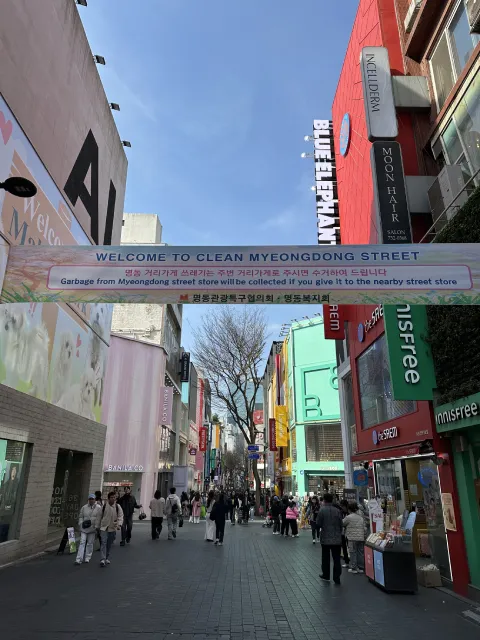
As the sun started setting, street food stalls began opening. The energy completely shifted — bright lights, sizzling grills, and crowds everywhere. You’ll find everything from grilled skewers to egg bread. It’s definitely pricier than local neighborhoods, but still fun for the experience.
DAY 2 – Hanoks, Snow & Classic Noodles
Onion Anguk
A famous bakery café located near Anguk Station, designed in a rustic hanok-style space. Known for its pastries (especially their powdered sugar bread) and aesthetic interior.
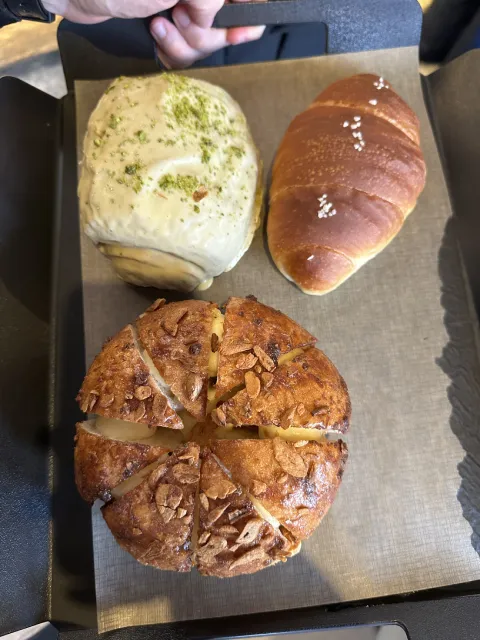
We lined up early — and I recommend doing the same. Even in the morning, there was already a queue. The atmosphere felt cozy and photogenic. A perfect slow Seoul morning.
Baek In-je House
A beautifully preserved hanok built in the 1910s during the Japanese occupation period, showcasing modernized traditional Korean architecture. It’s quieter than Bukchon and offers a deeper historical look at upper-class Korean homes of the early 20th century.
Spacious, peaceful, and barely any tourists. Walking through the wooden halls and looking into the courtyard felt calm and reflective.
Bukchon Hanok Village
A historic neighborhood with hundreds of traditional Korean hanok houses. One of Seoul’s most iconic photo spots — rooftops with city skyline views.
Completely opposite vibe from Baek In-je House — very crowded. There are limited visiting hours now (Weekdays 9–6, Weekends 9–5).
We were exploring when suddenly… it started snowing. Yes — snow! 😱 It was magical but freezing.
Bukchon Oriental Culture Museum (Café + Terrace)
A small cultural museum with a café and terrace overlooking Bukchon. A quieter alternative viewpoint and cozy stop in cold weather.
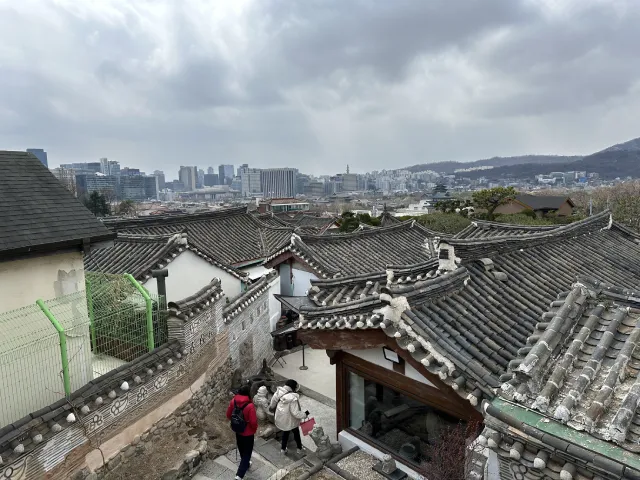
The snow stopped briefly, so we warmed up with hot omija tea and cappuccino. Then it started snowing again — even heavier. Watching snow fall over hanok rooftops was unforgettable.
Tongin Market
A traditional Korean market famous for its unique coin lunchbox system. On the second floor, you can exchange cash for old-fashioned brass coins to buy food from participating vendors.
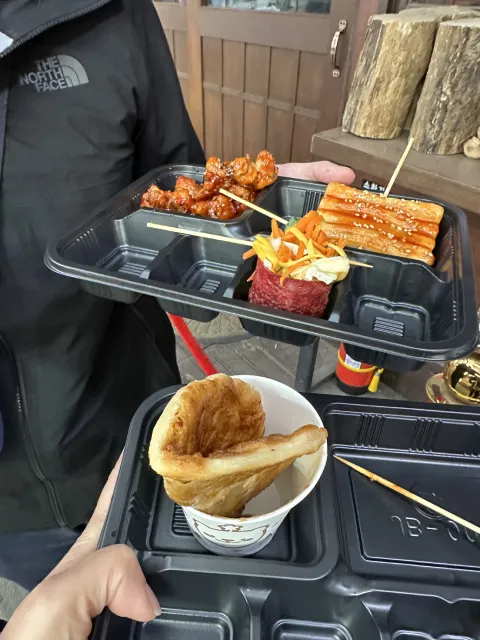
Once the snow lightened, we walked here. Using coins to “shop” for food felt fun and interactive — like a mini food adventure.
Myeongdong Kyoja – Dinner
A legendary noodle restaurant in Myeongdong known for kalguksu (knife-cut noodle soup) and dumplings. It’s been Michelin-recognized and has a reputation for consistency and speed.
We lined up for about 30 minutes — long line, but it moves fast. You order while in line, pay when seated, and the food arrives almost immediately.
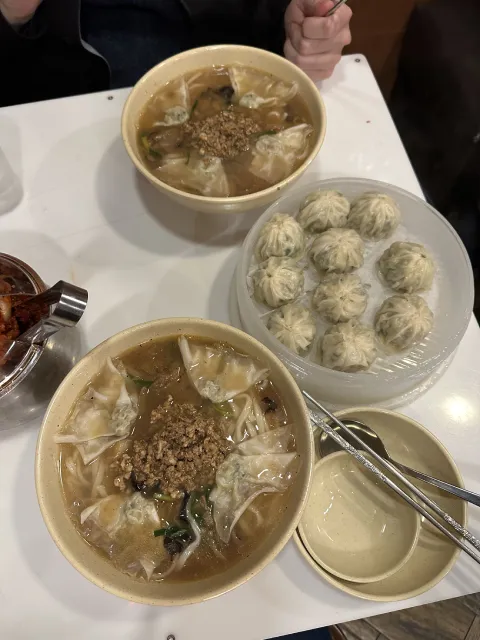
The soup was piping hot (which I love), rich, and comforting. The dumplings were juicy and flavorful. Highly recommended!
DAY 3 – Temples, Historic Streets & Seoul Night Vibes
Mil Toast House (Ikseondong)
Mil Toast House is a popular café in Ikseondong known for its soft, fluffy steamed bread served warm in wooden boxes.
Unlike most cafés in Seoul that open around 10–11 AM, Mil Toast opens at 8 AM — perfect if you’re an early riser. The steamed bread is unique compared to typical Western-style pastries, and Ikseondong itself is one of Seoul’s trendiest neighborhoods.
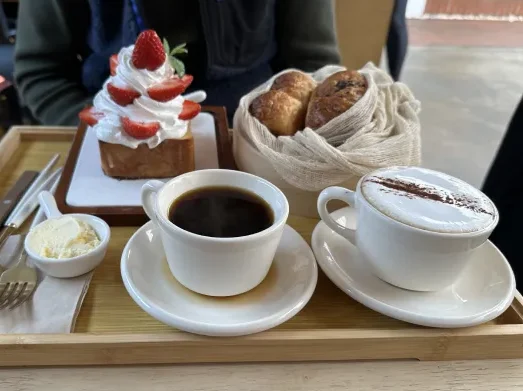
We came back to Ikseondong just for this. The bread was incredibly soft and comforting — simple but delicious. Ikseondong in the morning feels calmer, and walking through the narrow hanok-lined alleys before the crowds arrive makes the experience even better.
Jogyesa Temple
Jogyesa is one of the most important Buddhist temples in South Korea and the main temple of the Jogye Order of Korean Buddhism. It’s known for its colorful lantern displays, especially around Buddha’s Birthday in spring. Despite being in central Seoul, it feels peaceful and spiritual.
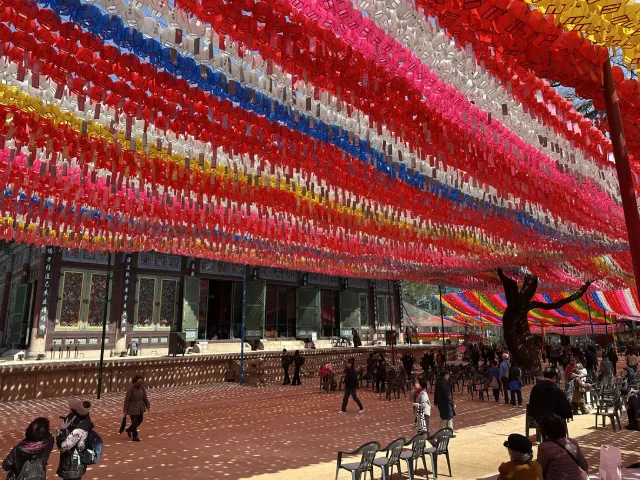
The weather was beautiful, so walking here felt refreshing. The moment we entered, everything slowed down. You could hear monks chanting softly in the background, and there weren’t many tourists. It felt authentic and calm — a nice contrast to Seoul’s busy streets.
Deoksugung Doldam-gil
A scenic stone wall road next to Deoksugung Palace. It’s popular among locals for romantic walks and seasonal foliage. It’s especially pretty in autumn and spring.
We were actually looking for a specific café overlooking the palace but couldn’t find it — classic travel moment. Even so, walking along the stone wall felt charming and peaceful.
Jeokdang Café
A hidden café located inside a building. It’s cozy, stylish, and quieter compared to street-level cafés.
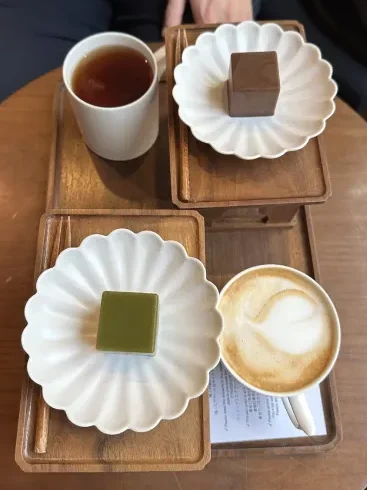
It was a bit tricky to find, but once inside, it felt like a calm escape from the busy streets. Seoul cafés are truly on another level — design-focused and aesthetic.
Cheonggyecheon
Cheonggyecheon is a long, restored urban stream running through downtown Seoul. It was once a highway before being transformed into a green public space.
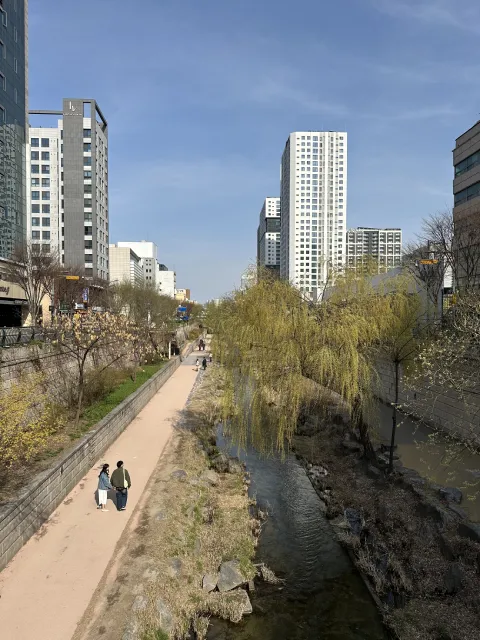
We passed by it earlier but came back later to properly stroll along it. It’s surprisingly calming — you forget you’re in a mega-city. If you watch K-dramas, you might recognize this spot.
Gwangjang Market
Gwangjang Market is one of the oldest and most famous traditional markets in Seoul, known for its vibrant street food scene. It’s a covered market filled with food stalls where locals and tourists sit side by side on small benches, enjoying freshly made Korean dishes.
If you want to try a variety of authentic Korean street food in one place, this is the spot. The lively atmosphere, the sound of sizzling pans, and the rows of food stalls make it a fun and memorable experience. It’s also been featured in Netflix shows, which has made it even more popular with visitors.
We came here to try some local food and started with a mung bean pancake — it was tasty, crispy, and freshly made, but quite oily.
After that, we sat down at one of the stalls and ordered tteokbokki, japchae, and mini kimbap. Everything was comforting and flavorful, and I honestly wish I had more room to try other dishes.
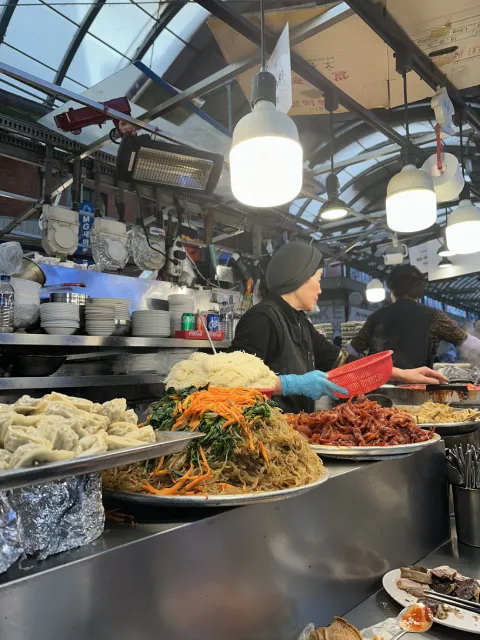
It did feel a bit touristy, but the experience was still worth it — especially if it’s your first time visiting Seoul.
Dongdaemun Design Plaza (DDP)
A futuristic cultural complex designed by architect Zaha Hadid. Famous for its curved architecture, LED rose garden, and free exhibitions.
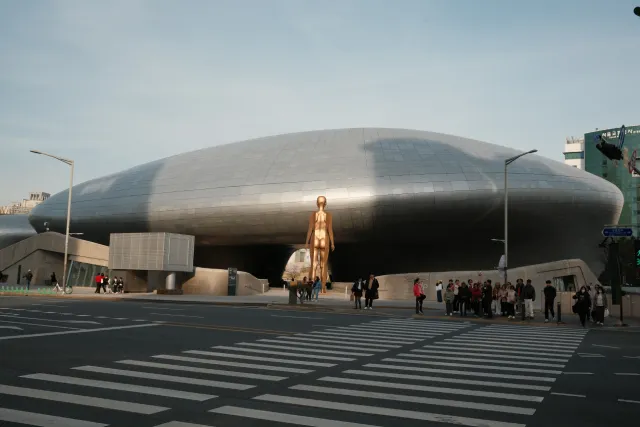
Even just walking around the building feels like stepping into the future. We were already tired, but it was still worth seeing in person.
Euljiro Nogari Alley
A retro alley filled with casual bars serving beer and grilled dried pollack (nogari). It has a nostalgic, local vibe and is popular for after-work drinks.
This was the perfect way to end the day. Sitting outside with drinks after all that walking felt so satisfying.
DAY 4 – Seongsu, Seoul Forest & Itaewon Views
Lowkey Seongsu Café
A specialty coffee café in Seongsu known for high-quality beans and a retro industrial interior.
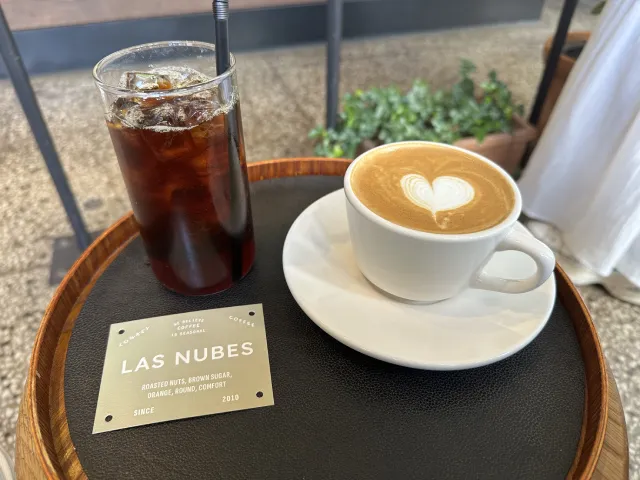
We arrived just after opening at 10 AM — and it was already full. That says everything. The coffee was excellent, and the space had that cool, laid-back vibe.
Seongsu Baking Studio
A local bakery offering a wide variety of freshly baked bread.
We bought bread to eat later at the park. There were outdoor tables, but the idea of a picnic felt nicer.
Seoul Forest
One of Seoul’s largest parks (1.2 million square meters), featuring cherry blossom paths, deer enclosure, sculpture gardens, and bike paths. It’s also one of the best cherry blossom spots in Seoul during spring.
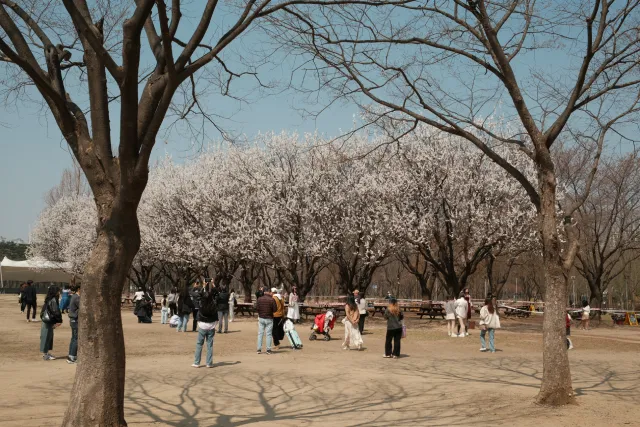
We saw early blooms — not full cherry blossom season yet, but still beautiful. Watching people happily take photos under the flowers was so heartwarming. The main path hadn’t fully bloomed yet, so we decided to come back later in the trip.
Hangang Bike Road (Seoul Forest side)
A dedicated pedestrian and cycling path along the Han River. It offers open river views and a peaceful break from the dense city.
We didn’t plan a route — we just kept walking… and walking. Honestly, biking would have been smarter because it’s long. Our legs were tired by the end.
Noksapyeong Pedestrian Bridge (Namsan Viewpoint)
A pedestrian bridge offering a view toward N Seoul Tower. It’s a lesser-known photo spot for skyline and Namsan views.
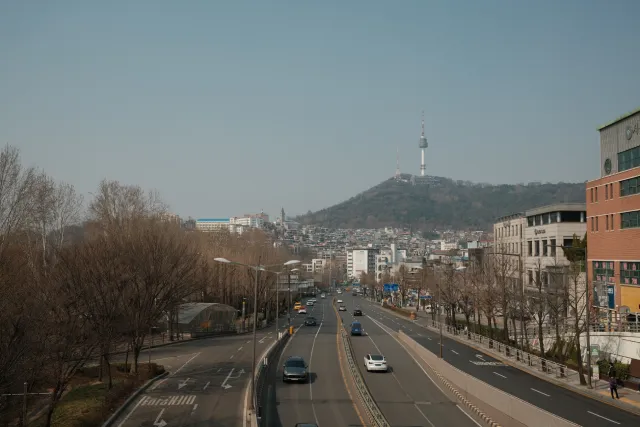
After a long day, the view was worth it. Seeing Namsan Tower in the distance gave that classic “I’m really in Seoul” feeling.
Café Shim (Itaewon)
A minimalist aesthetic café in Itaewon. Quiet, calming, and beautifully designed.
No one else was there when we arrived — which felt like such a win after crowded cafés earlier in the trip.
Leeum Museum of Art
A contemporary art museum combining traditional Korean art and modern international pieces. The architecture alone is worth seeing.
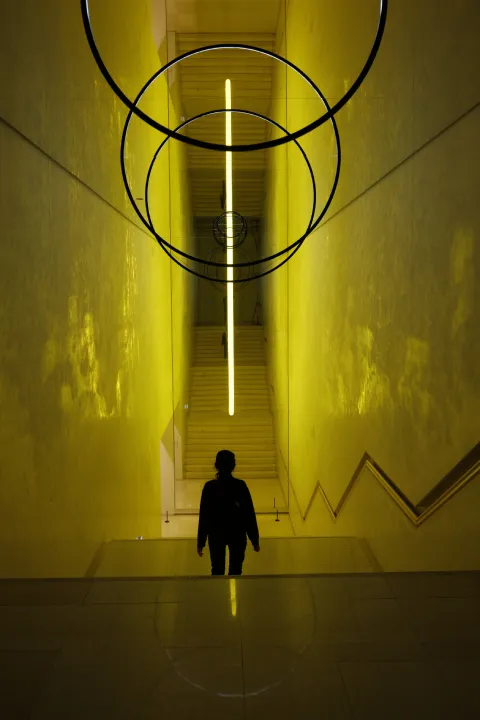
We explored only the free exhibits, and it was still impressive. The blend of modern and traditional art made it feel uniquely Korean.
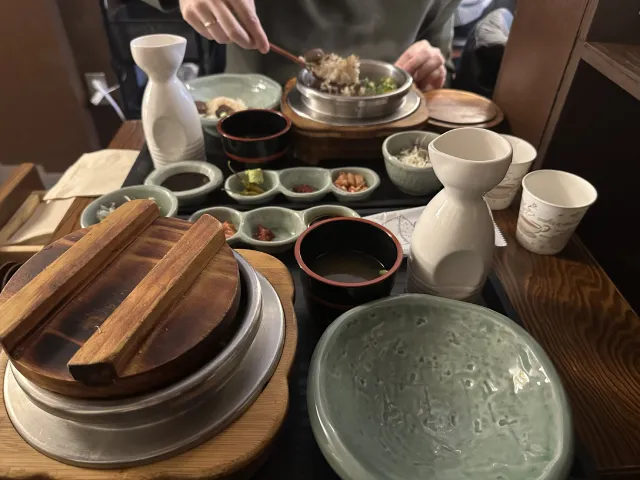
Solsot Pot Rice House
A popular restaurant specializing in hot stone pot rice dishes.
After so much walking, this warm, hearty dinner was exactly what we needed.
DAY 5 – Historic Seoul, Markets & City Views
Gwanghwamun Square
A large public square in central Seoul, located in front of Gyeongbokgung Palace and surrounded by major government buildings. It’s one of the most symbolic places in Seoul, with views of the palace gate and statues of King Sejong and Admiral Yi Sun-sin.
We stayed nearby, so this became our starting point for a morning walking tour. The weather was cloudy but perfect for walking. Passing the gate of Gyeongbokgung Palace again made us excited for what’s coming in the next part of the trip.
Hong Geonik’s House (Pirun-dong Hanok)
A well-preserved traditional hanok that once belonged to an upper-class Korean family. Unlike Bukchon, this place feels quieter and more intimate. It gives insight into how elite families once lived.
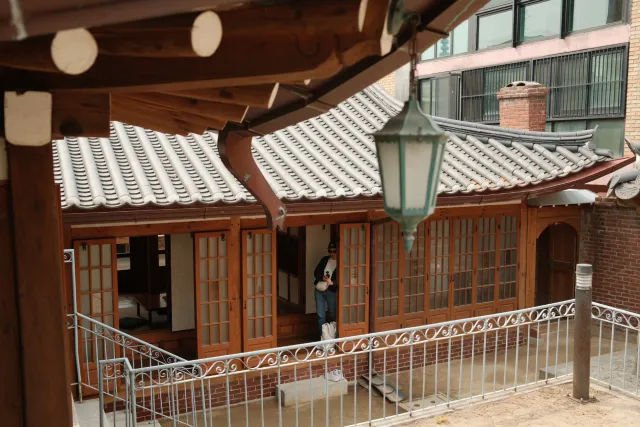
It felt peaceful and personal. The small garden at the back added so much charm.
Veranda Café
A retro-style café near Seochon. Perfect cozy stop during a long walking day.
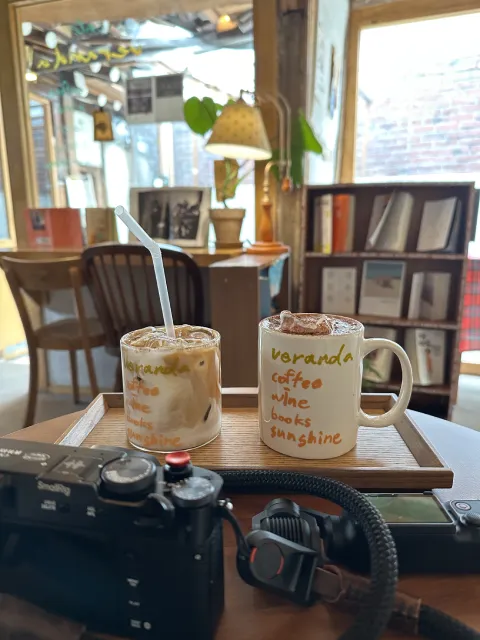
I loved the chill vibe and the cute postcards for sale. Seoul cafés really never disappoint.
Namdaemun Market
One of the oldest and largest traditional markets in Korea. We lined up for the vegetable hotteok and it was worth the wait. Crispy outside, savory inside.
Shinsegae Department Store
A luxury department store near Myeongdong. Known for its massive digital billboard and holiday light displays.
We passed by and were amazed by the huge screen outside. Even if you’re not shopping, it’s worth seeing.
Korea House
A traditional Korean cultural complex offering fine dining and performances. Beautiful hanok architecture and gardens.
We thought it was Namsangol Hanok Village at first! Even without dining there, walking around the grounds was lovely.
Namsangol Hanok Village
An open-air museum featuring relocated and restored traditional hanok houses. Free entrance and a deeper look into Korean traditional life.
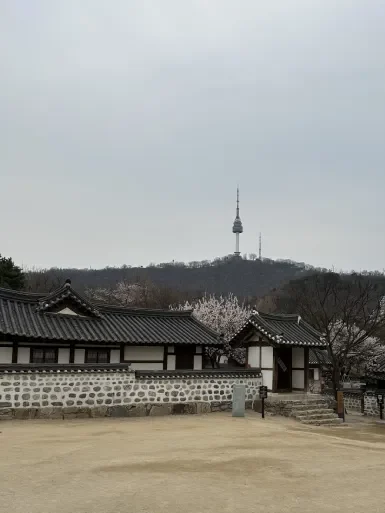
Even after seeing hanoks in Jeju and Bukchon, I was still amazed. It’s spacious and less crowded.
Ihwa-dong Mural Village
A hillside art village filled with murals and installations. Colorful, creative, and photogenic.
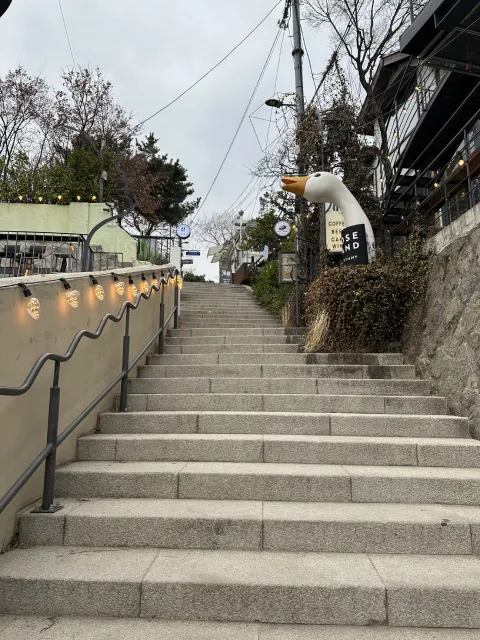
Some murals are gone due to resident complaints, but there’s still plenty to see. The uphill walk gives you nice city views too.
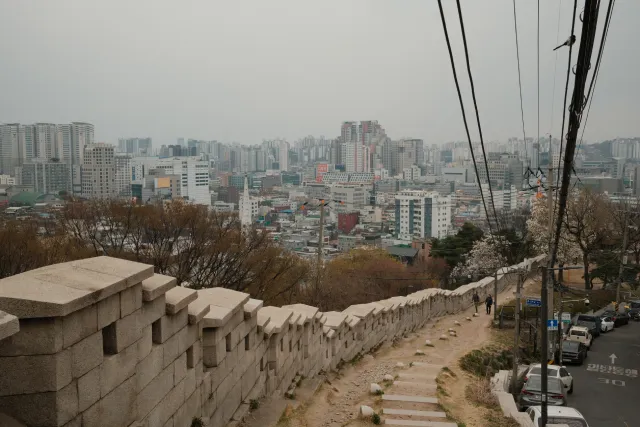
Seoul City Wall Trail (Naksan Section)
A preserved section of Seoul’s old fortress wall. Light hike with panoramic city views.
Midogalbi – Dinner
Midogalbi is a Korean BBQ restaurant known for serving galbi (marinated beef ribs), one of the most popular grilled meat dishes in South Korea.
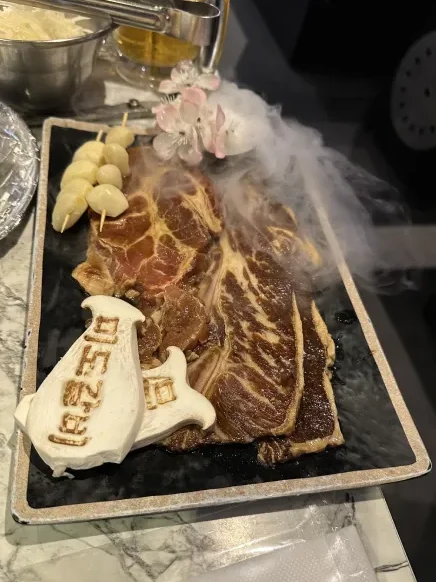
After walking along the city wall trail, we were completely exhausted and starving — so this dinner felt extra satisfying. We decided to have galbi for the night, and the staff grilled the beef for us right at the table. The meat was juicy, smoky, and full of flavor. After finishing the BBQ, we ordered cold noodles (naengmyeon), which were super refreshing and the perfect way to end the meal after something rich and savory.
Starbucks Reserve (Jongno Tower)
Premium Starbucks branch inside Jongno Tower. Elegant interior, unique drinks.
DAY 6 – Suwon Day Trip
Train to Suwon
Another day in Seoul — but this morning, we’re heading out for a day trip to Suwon!
Suwon is located about 30 km south of Seoul in Gyeonggi Province, and it’s easily accessible by train (around 30–60 minutes depending on the line). The city is best known for the UNESCO-listed Hwaseong Fortress, a beautifully preserved historical site that surrounds parts of the city. It’s the perfect mix of history, culture, and modern cafés, making it a great escape from the busy city.
Starfield Library Suwon
A stunning multi-level public library located inside Starfield Mall, spanning from the 4th to 7th floors. Yes — it’s a real library where locals actually come to read and relax.
This place has quickly become a popular attraction because of its floor-to-ceiling bookshelves and glass ceiling, which fills the space with natural light. It’s incredibly aesthetic and perfect for photos. It opened in 2024, making it the second Starfield Library after the famous one in Gangnam.
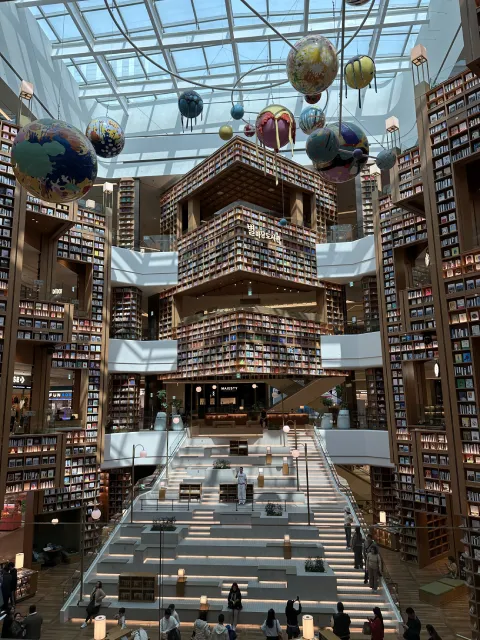
We came here around 10 AM, just after opening — and there were already quite a lot of people taking photos. It definitely feels like a tourist spot now, but it’s still worth visiting.
The tall bookshelves decorated with books look so beautiful, and the overall space feels bright and calming.
Brunch at Bonne Nouvelle Bakery (Starfield Mall)
We looked for a bakery inside the mall and found this cozy spot on the ground floor.
We ordered salted butter bread, cream cheese bread, walnut bread and twisted donut. Everything was fresh and perfect for a quick brunch before continuing our day.
Hwaseong Haenggung
A temporary palace used by kings of the Joseon Dynasty when visiting Suwon. It’s part of the larger Hwaseong Fortress complex. It’s one of the largest and best-preserved temporary palaces in Korea, offering a glimpse into royal life during the Joseon era.
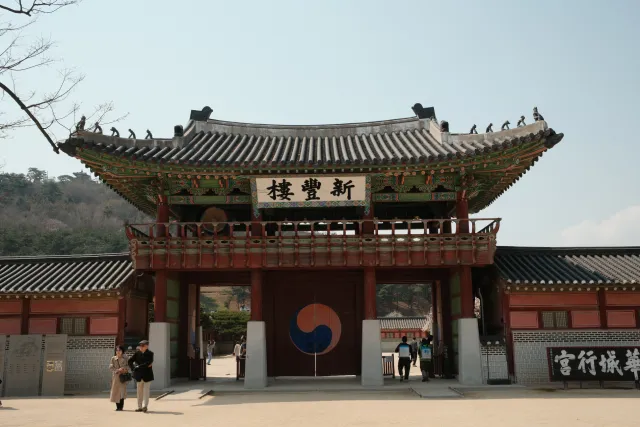
The area is huge, and when we visited, cherry blossoms were just starting to bloom, adding a soft spring vibe to the historical setting.
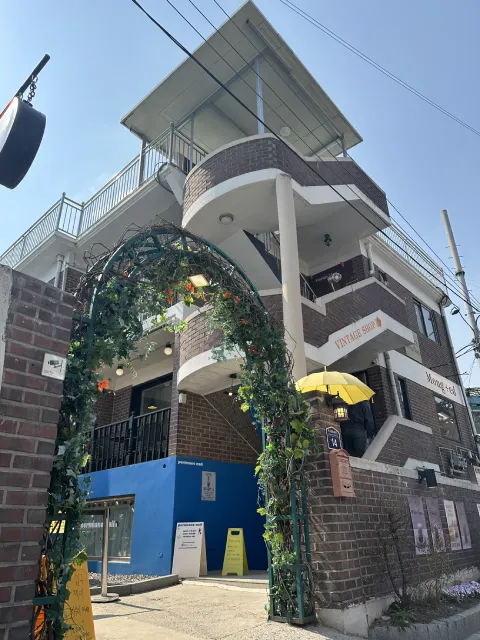
Mong Ted Café (Filming Location)
We strolled around Suwon and passed by a neighborhood known for being a filming location of the K-drama Lovely Runner. If you’re into K-dramas, this is a fun little stop to recognize familiar scenes.
Paletscent Café
A cozy café located just across the famous Janganmun Gate. The highlight is the rooftop view overlooking the gate, which makes it a great place to relax mid-day.
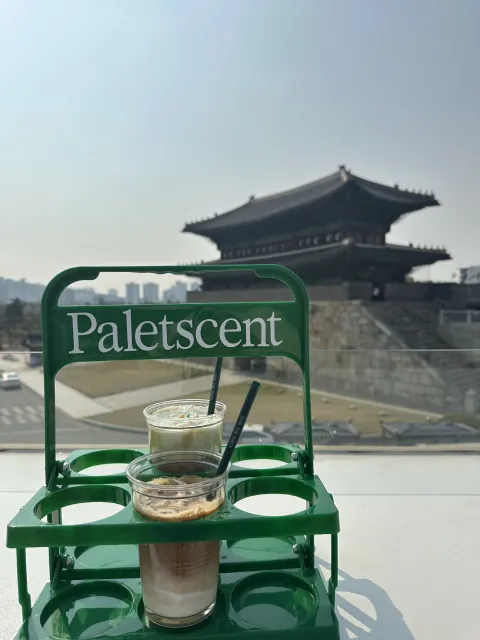
We ordered a house signature coffee and a café latte — perfect for a quick break after walking.
Walking Along the Hwaseong Fortress Wall
After our break, we continued walking along the fortress wall. It honestly felt like stepping back in time.
The wall stretches for about 5.74 km and offers beautiful views of both historical architecture and the modern city.
Yongyeon Pond
A scenic pond located along the Hwaseong Fortress, surrounded by traditional pavilions and nature. It’s one of the most peaceful spots in Suwon — perfect for relaxing and taking in the views.
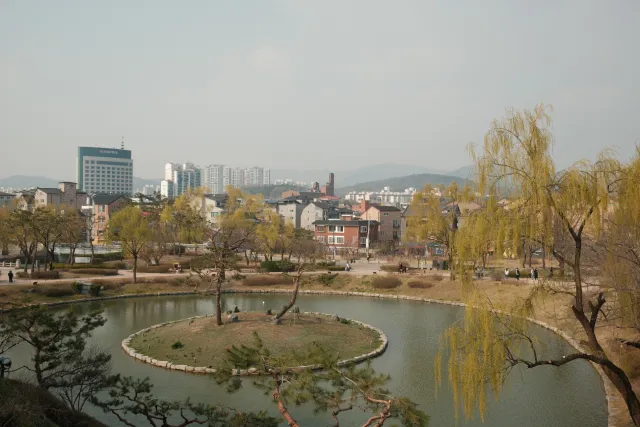
We stopped here to rest and enjoy the surroundings. The combination of water, architecture, and nature made it feel very serene.
Paldalmun Market & Chicken Street
A traditional market area near Paldalmun Gate, known for its local food — especially fried chicken.
Suwon is famous for its chicken street, where multiple restaurants serve Korean fried chicken.
We ended up at Daebong Chicken, one of the open spots at the time, and ordered crispy boneless chicken. It was simple, satisfying, and perfect after a long walk.
Paldalmun Gate to Hwaseomun Gate
From Paldalmun Gate, we started our hike along the fortress wall. Walking along the wall gives you panoramic views of Suwon, blending history and city life.
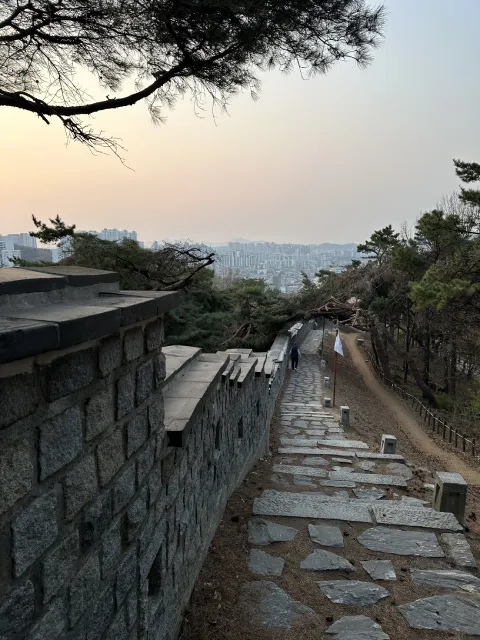
The trail is mostly stairs (cemented), so it’s not too difficult. As we made our way down, the sun started to set — such a beautiful way to end the day. We continued walking until we reached Hwaseomun Gate.
DAY 7 – Modern Seoul & Han River Night
Pastel Coffee Works
A specialty coffee café known for its high-quality beans and pour-over coffee. The space has an industrial-style interior, giving it a modern and minimalist vibe. If you enjoy good coffee, this is a great spot to start your day. It’s more on the specialty café side, so the focus is really on the quality and brewing methods.
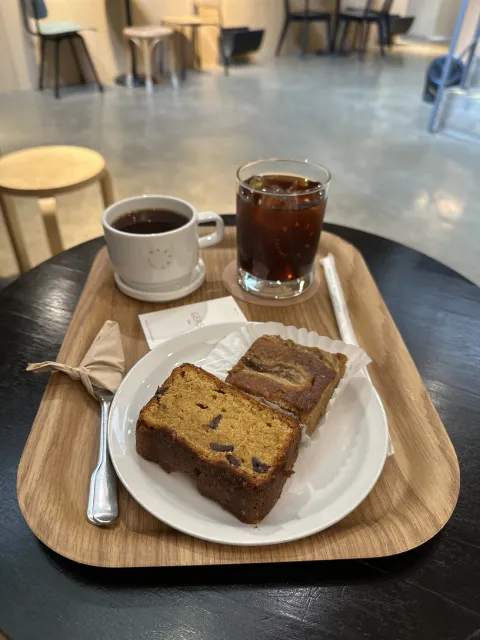
We started the day here with breakfast. You order at the ground floor, and the seating area is in the basement, which is surprisingly well-lit and cozy. We ordered coffee along with pumpkin bread and banana bread, and everything paired perfectly — simple but satisfying.
The Hyundai Seoul
A luxury department store located in Yeouido, known for its modern architecture and curated brands. This mall is not just for shopping — it’s also a visual experience. It became even more popular after being featured in the K-drama Queen of Tears. One of its highlights is the indoor garden space, which adds a refreshing, nature-inspired touch to the sleek interior.
We explored the mall and honestly, it felt very aesthetic and high-end. The indoor garden was such a nice surprise — it made the space feel less like a mall and more like a lifestyle destination.
After walking around, we headed to Hongdae for the rest of the day.
Thedam
A local Korean restaurant serving traditional comfort dishes.
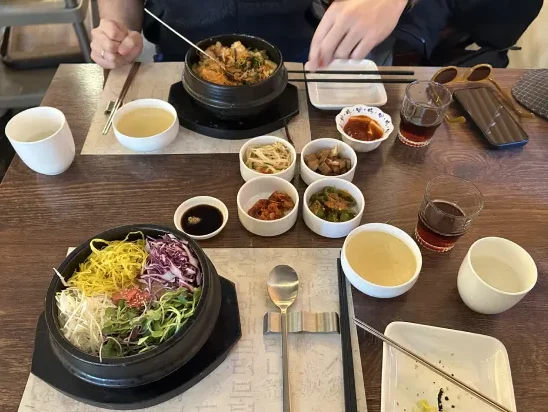
Before exploring Hongdae, we stopped here for lunch. We ordered grilled mackerel and veggie bibimbap — both were flavorful and comforting, exactly what we needed to recharge.
Shinleedoga
A cozy café known for its desserts and interactive experience, especially grilling marshmallows.
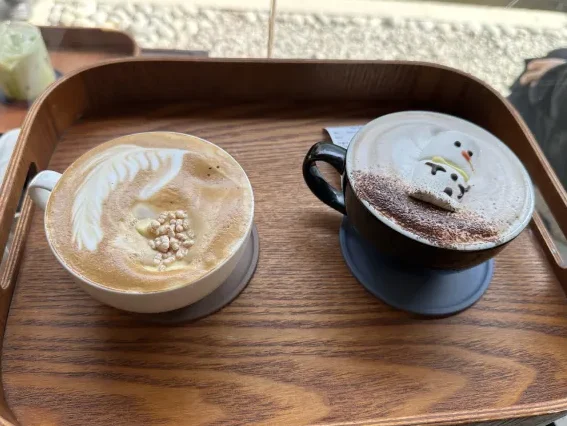
After lunch, we passed by this café and decided to stop. We ordered a chocolate marshmallow drink and a café latte.
Hongdae Street
A vibrant shopping and entertainment district popular among young locals and tourists. Hongdae is known for its trendy shops, street performances, and nightlife.
During the day, it felt like a fun shopping street with lots of stores to explore. But at night, it completely transforms into a lively, energetic area full of lights and crowds.
Hapjeong-dong Café Street
A quieter, more laid-back café street near Hongdae, known for its aesthetic cafés and seasonal cherry blossoms.
We passed by while the blossoms were just starting to appear. It already looked beautiful — so we decided to come back once they’re in full bloom.
Banpo Bridge Rainbow Fountain
A famous bridge in Seoul featuring a night fountain show with lights and music (held during warmer months). It’s one of the most unique nighttime experiences in Seoul — combining city views, music, and a colorful water show.
Before sunset, we headed to Banpo Bridge and waited for the show. While waiting, we grabbed ramyeon from a nearby convenience store — just like the locals do.
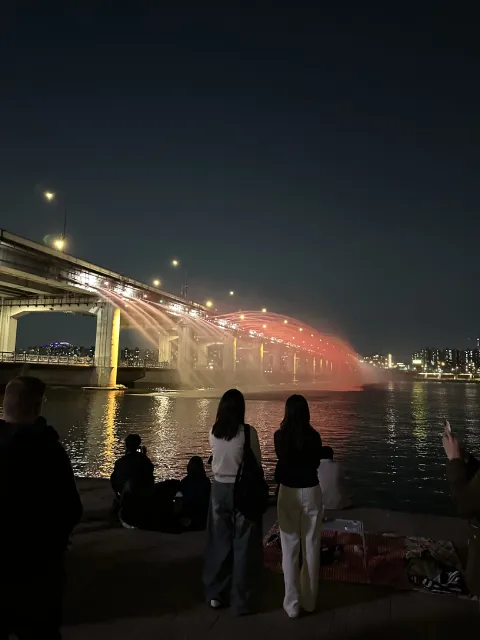
Many people, especially younger groups, were having picnics by the river. When the fountain show started, everyone gathered to watch. It felt so lively and fun — such a perfect way to end the day.
Optional: Day Trip Recommendations from Seoul
If you have extra time in Seoul (or you’re staying 5+ days), consider adding one of these easy day trips. They’re all accessible by public transport and offer a completely different side of Korea beyond the capital.
Suwon – Historic Fortress City
A city south of Seoul known for the UNESCO-listed Hwaseong Fortress.
How to get there:
1 hour by subway (Line 1) or ITX from Seoul Station.
Why visit:
• Walk along fortress walls with panoramic views
• See traditional gates and watchtowers
• Less crowded than Seoul’s palace areas
• Famous for Suwon galbi (Korean BBQ ribs)
Incheon – Coastal Escape
A port city west of Seoul, home to Incheon Chinatown and Songdo Central Park.
How to get there:
1–1.5 hours by subway.
Why visit:
• Try authentic jajangmyeon in Chinatown
• Walk along the waterfront in Songdo
• Explore colorful murals and seaside views
DMZ Tour – A Glimpse into Korean History
The Demilitarized Zone between North and South Korea, including the Joint Security Area and Dora Observatory.
How to get there:
You must book a guided tour in advance. Passport required.
Why visit:
• Learn about Korea’s divided history
• See North Korea from observation points
• Visit the Third Infiltration Tunnel
Nami Island – Scenic & Romantic
A small island famous for tree-lined paths and seasonal scenery.
How to get there:
About 1.5–2 hours via ITX + short ferry ride.
Why visit:
• Iconic metasequoia tree road
• Beautiful in spring (cherry blossoms) and autumn
• Peaceful riverside walks
• Known filming location for Winter Sonata
Bukhansan National Park – Nature & Hiking
A mountain park located just north of Seoul.
How to get there:
Accessible by subway + bus (about 1 hour).
Why visit:
• Granite peaks and fortress walls
• Stunning city views from the summit
• Great half-day hiking option
Garden of Morning Calm – Seasonal Beauty
A beautifully landscaped garden in Gapyeong.
How to get there:
Around 2 hours from Seoul via train + bus.
Why visit:
• Cherry blossoms in spring
• Lush greenery in summer
• Illuminations in winter
• Calm, romantic atmosphere
Gangneung – East Coast Beach Escape
A seaside city on Korea’s east coast.
How to get there:
About 2 hours by KTX from Seoul Station.
Why visit:
• Relax at Anmok Beach
• Famous coffee street
• Fresh seafood
• Ocean sunrise views
Which Day Trip Should You Choose?
- Love history? → Suwon or DMZ
- Love aesthetic scenery? → Nami Island
- Want something coastal? → Incheon or Gangneung
- Love hiking? → Bukhansan
- Prefer relaxed gardens? → Garden of Morning Calm
If I had to pick just one for first-time visitors, I’d recommend Suwon for a perfect mix of culture, walkability, and photography spots — especially during spring.
Takeaway
Spending 7 days in Seoul gave us the perfect balance between iconic landmarks and hidden local gems. From temple mornings and hanok villages to café hopping in Seongsu, street food in Namdaemun, and hiking along fortress walls in Suwon — every day felt different.
What makes Seoul so special is its contrast. You can explore centuries-old traditions in the morning and end your day surrounded by neon lights, river views, and modern architecture. It’s dynamic without feeling overwhelming — especially if you plan your days by neighborhood like we did.
If you’re visiting during spring, you’ll also catch the city slowly transforming with cherry blossoms, cooler weather, and longer walking days — which makes this itinerary even more enjoyable.
And this is just Part 1. In the next part of my Seoul series, we’ll be focusing more on cherry blossoms and seasonal highlights — so if you’re planning a spring trip, stay tuned.
If this itinerary helped you, don’t forget to:
- Save this post for later;
- Share it with someone planning a Seoul trip;
- Subscribe to my YouTube channel for the full visual experience; and
- Sign up for FREE Seoul travel guide PDF.
Seoul surprised me in the best way — and I hope this guide helps you fall in love with it too.
FAQ: Visiting Seoul for the First Time
1. How many days do you need in Seoul?
For first-time visitors, 5 to 7 days in Seoul is ideal. This gives you enough time to explore historic palaces, modern districts like Hongdae and Seongsu, street food markets, cafés, and even take a day trip to places like Suwon or Nami Island without rushing.
If you only have 3–4 days, focus on the main highlights: palaces, Bukchon Hanok Village, Myeongdong, Hongdae, and Namsan Tower.
2. What is the best time to visit Seoul?
The best time to visit Seoul is spring (April–May) and fall (October–November).
• Spring offers cherry blossoms and mild temperatures.
• Fall brings colorful foliage and crisp air.
• Summer can be hot and humid.
• Winter is cold but beautiful if you enjoy snow.
Cherry blossom season usually peaks in early to mid-April, but dates change slightly each year.
3. Is Seoul easy to navigate for tourists?
Yes, Seoul is very easy to navigate.
• The subway system is clean, affordable, and English-friendly.
• Stations and signs are clearly labeled in English.
• Apps like Naver Map are highly recommended for accurate routes.
• A T-money card or Climate Card makes public transport seamless.
Taxis are also safe and reasonably priced compared to many Western cities.
4. Where should I stay in Seoul as a first-time visitor?
It depends on your travel style:
• Jongno / Gwanghwamun – Best for traditional sights and palace access
• Myeongdong – Great for shopping and convenience
• Hongdae – Youthful, nightlife, and café culture
• Gangnam – Modern, upscale, and business-oriented
If it’s your first trip, Jongno or Myeongdong are the most central and convenient.
5. Do I need cash in Seoul?
Seoul is very card-friendly, and most places accept credit cards. However, it’s helpful to carry a small amount of cash for:
• Street food stalls
• Traditional markets
• Topping up transportation cards
ATMs are widely available.
6. Is Seoul expensive to visit?
Seoul can be surprisingly affordable compared to other major cities.
• Public transport is inexpensive.
• Street food meals can cost around ₩5,000–₩10,000.
• Mid-range cafés and restaurants are reasonably priced.
• Accommodation ranges from budget guesthouses to luxury hotels.
You can easily adjust your trip based on your budget.
7. Can I visit the DMZ from Seoul?
Yes, the DMZ is accessible via guided tour from Seoul. You must book in advance and bring your passport. It’s a powerful and educational experience for travelers interested in Korean history.
8. Is Seoul safe for solo travelers?
Seoul is considered one of the safest major cities in the world. Public transportation runs late, streets are well-lit, and crime rates are low. Solo female travelers generally feel very safe exploring the city.
9. What should I pack for Seoul?
Pack according to season, but generally:
• Comfortable walking shoes
• Light jacket (spring/fall)
• Umbrella (especially during rainy season)
• Reusable water bottle
• Portable WiFi or eSIM
You’ll likely walk a lot, so comfort is key.
10. What is the best day trip from Seoul?
Popular day trips include:
• Suwon for fortress views
• Nami Island for scenic tree-lined paths
• DMZ for history
• Incheon for coastal vibes
• Bukhansan National Park for hiking
If you enjoy history and easy walking, Suwon is often the most balanced choice.
Enjoyed this guide? Share it with a friend who’s planning their next adventure!
AUTHOR
Written by Princess — Helping first-time travelers explore the world stress-free.