3 Days in Tokyo Itinerary: Ginza Shopping, Cozy Cafés & more
Planning the perfect 3 days in Tokyo itinerary can feel overwhelming. Tokyo is massive, fast-paced, and layered with endless neighborhoods, food spots, shopping streets, and skyline views. But even with just three days, you can experience a meaningful mix of modern city energy, cozy cafés, iconic landmarks, and unforgettable meals.
Disclaimer: Some of the links in this post are affiliate links, which means I may earn a small commission — at no extra cost to you — if you make a purchase through them. You can read my full disclaimer here.
After nearly two incredible weeks exploring Japan—from the tranquil streets of Takayama to the vibrant buzz of Osaka—I ended my journey where it all began: Tokyo. Returning felt like meeting an old friend for one last, unforgettable catch-up. This final stretch was a blend of new discoveries, comforting favorites, and just a little retail therapy before flying home.
In this itinerary, I’m sharing exactly how we spent our last three days in Japan — beginning with a smooth Nozomi Shinkansen ride from Osaka, catching glimpses of Mount Fuji along the way, wandering through the historic red-brick Tokyo Station, and soaking in skyline views near Tokyo Tower. We explored Shibuya and Shinjuku beneath rainy skies, warmed up inside the stunning Starbucks Reserve Roastery, and wrapped everything up with sunny Ginza shopping, Japanese skincare hauls, and a comforting bowl of ramen.
If you’re visiting Tokyo for the first time — or returning and looking for a balanced, realistic plan — this guide blends sightseeing, food, shopping, and slow travel moments without feeling rushed.
This post is the final chapter of my full Japan series —don’t miss the complete itinerary if you’d like to see every stop from this unforgettable adventure.
3 Days in Tokyo Itinerary (My Experience)
Here’s exactly how I spent three unforgettable days in Tokyo.
Day 1: Osaka → Tokyo on the Nozomi Shinkansen
This morning we said goodbye to Osaka and boarded the Nozomi Shinkansen, the fastest bullet train on the Tokaido Shinkansen line connecting Osaka and Tokyo. The journey takes only about 2.5 hours, with just a few major stops (including Nagoya), and—true to Japan’s reputation—the train departed exactly on time. Not a minute late.
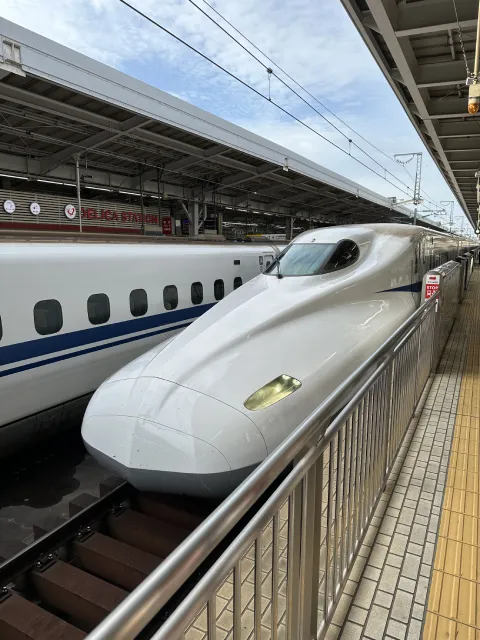
If you’ve never taken a Japanese bullet train before, it’s an experience in itself. The seats are spacious, the ride is incredibly smooth, and you barely feel the speed as the countryside blurs past your window.
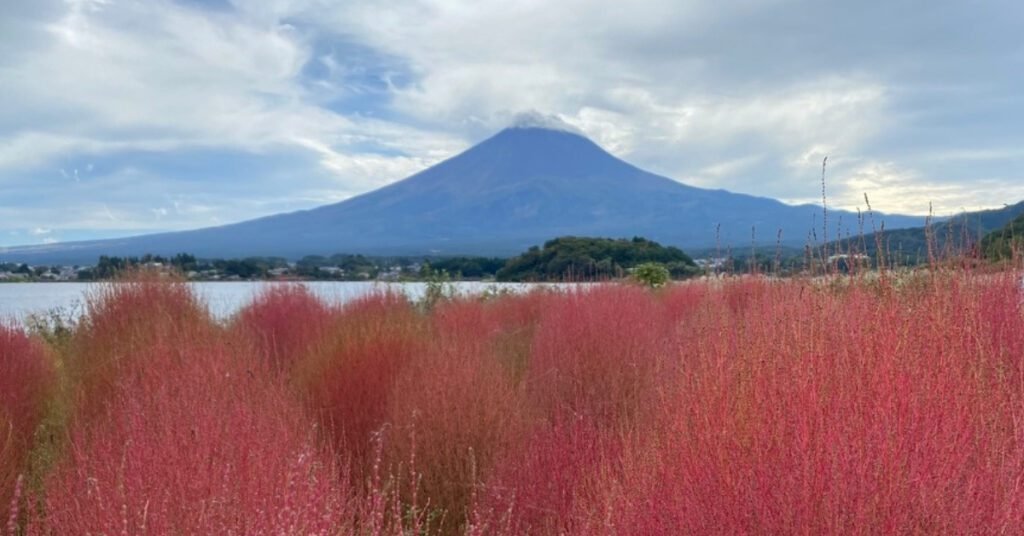
If the weather is clear, you’ll be rewarded with a view of Mount Fuji about 35–45 minutes before arriving in Tokyo.
Reserve seats D and E for the best chance at seeing it. The mountain appears suddenly and dramatically—so keep your camera ready. On a clear day, it’s absolutely magical.
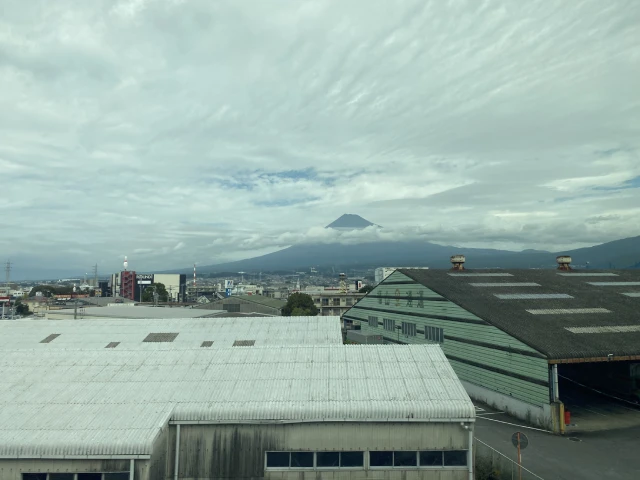
For the ride, don’t skip the classic Japanese train ritual: snacks. Pick up a beautifully packed ekiben (station bento) or grab something simple from the convenience store. My go-to? A konbini egg-and-tuna sandwich and a bottled milk tea. Simple, affordable, and oddly perfect for train journeys.
Tokyo Station Stroll
We arrived at the iconic Tokyo Station, instantly recognizable by its elegant red-brick façade. Originally opened in 1914 and designed by architect Kingo Tatsuno, the building was inspired by Amsterdam’s Central Station. The Marunouchi side feels almost European—grand, symmetrical, and surprisingly calm compared to the ultra-modern Tokyo skyline behind it.
Inside, though? A completely different world.
Underneath the station lies an entire underground city:
- Character Street (Pokémon, Ghibli, Sanrio, and more)
- Ramen Street
- Dessert Avenue
- Endless souvenir shops
The Pokémon and Studio Ghibli stores were especially crowded, and the Kirby Café shop had a long line (actual café reservations are notoriously hard to secure!).
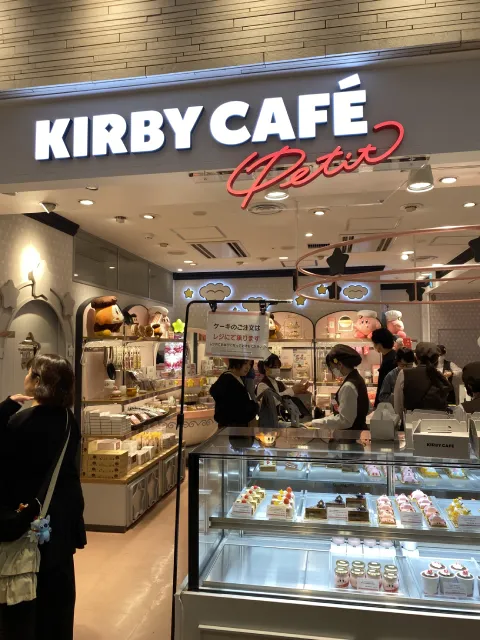
We grabbed takoyaki nearby and crossed to the Marunouchi Building for a better view of the station. From here, you can photograph the full red-brick façade without the chaos of taxis and buses in the foreground. Several cafés inside offer elevated seating with great views—perfect for a short break.
If you have extra time, come back at night. The station lights up beautifully.
Azabudai Hills Observatory
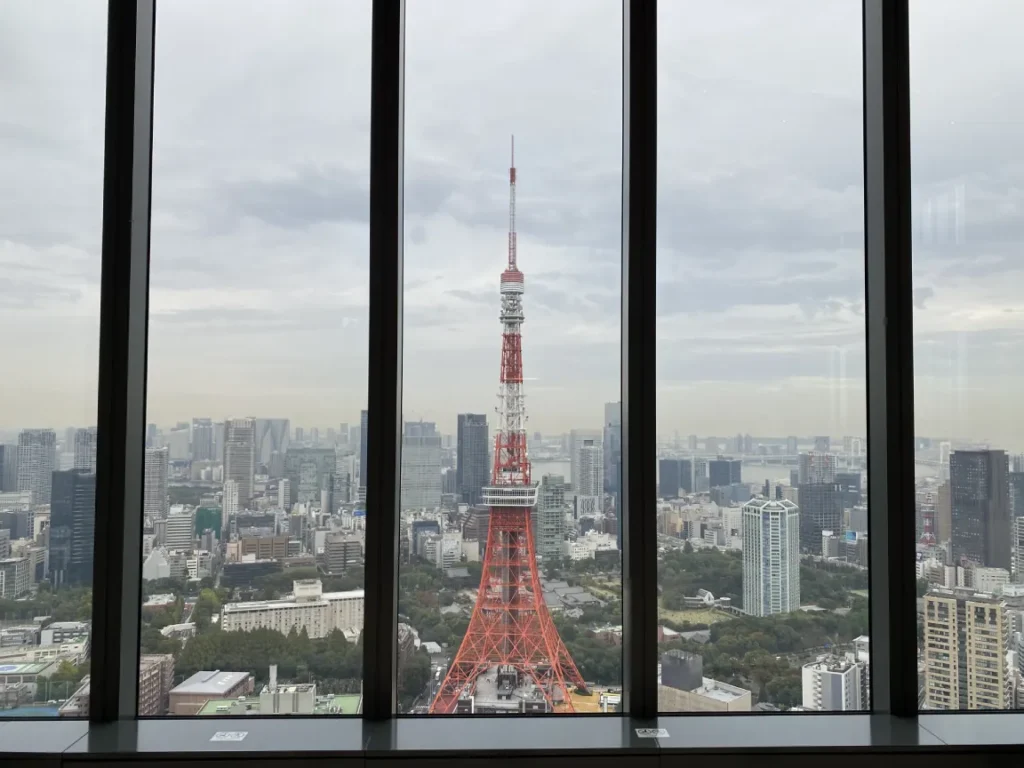
In the afternoon, we headed to Azabudai Hills, one of Tokyo’s newest and most modern developments. The highlight? The Sky Room Café & Bar on the 34th floor of the Mori JP Tower.
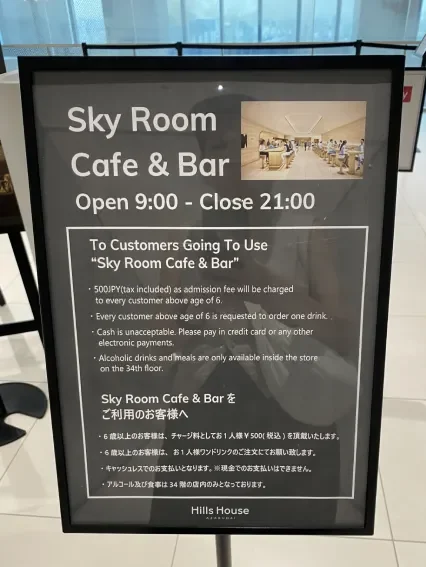
From up there, you get a postcard-perfect view of Tokyo Tower framed by glass windows and sleek interiors. It feels upscale but relaxed.
- Hours: 9 AM–9 PM
- Admission: 500 yen (plus one drink order)
- Payment: Card only
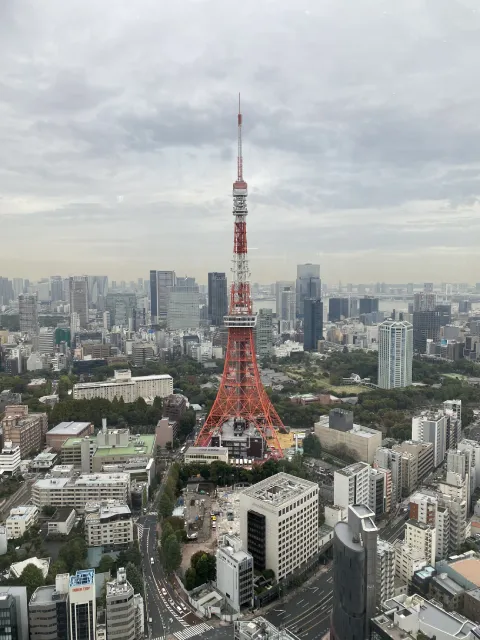
If you time it close to sunset, the city slowly turns golden, and Tokyo Tower begins to glow orange against the darkening sky. It’s one of those moments that makes you pause.
Dinner at Ichiniisan Ginza
We wrapped up our first Tokyo evening with a comforting shabu-shabu dinner at Ichiniisan Ginza.
After a travel day, there’s something perfect about sitting down to thinly sliced pork, fresh vegetables, and steaming broth. Shabu-shabu is light but satisfying—and feels very “Japan.” The dipping sauces (especially the sesame one) were the highlight.
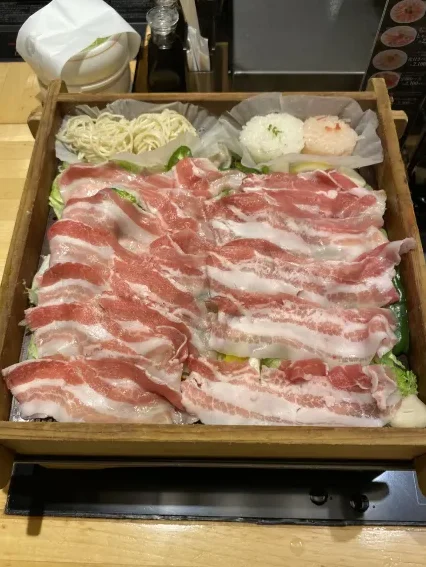
Ginza at night also deserves a mention. The wide boulevards, polished storefronts, and glowing luxury boutiques give the area an elegant, slightly cinematic vibe. Even if you’re not shopping, it’s worth wandering around after dinner.
Day 2: A Rainy Day in Tokyo
Tokyo greeted us with steady rain and a sky wrapped in soft grey clouds. But if there’s one thing about this city—it never feels dull, even in the rain. In fact, Tokyo somehow becomes even more cinematic when umbrellas open in unison and neon lights reflect on wet pavement.
Instead of rushing, we leaned into the slower pace.
Starbucks Reserve Roastery
Our first stop was the stunning Starbucks Reserve Roastery Tokyo, located in the trendy Nakameguro neighborhood.
Designed by world-renowned Japanese architect Kengo Kuma, the four-story space feels more like a modern art installation than a coffee shop. Warm wood elements, soaring ceilings, and soft lighting create a cozy yet dramatic atmosphere—especially on a rainy morning.
The centerpiece is a massive glowing copper cask stretching through all four floors, etched with delicate cherry blossom motifs. You can actually watch freshly roasted beans travel through transparent tubes overhead—a mesmerizing detail that coffee lovers will appreciate.
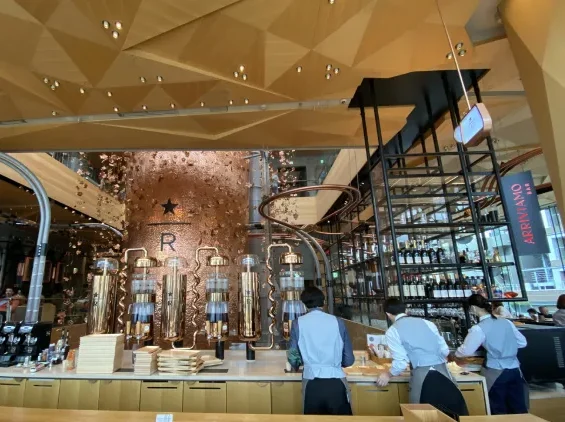
Each floor offers something different:
- Main floor: Freshly roasted coffee and brewing stations
- Second floor: Teavana specialty tea bar
- Third floor: Arriviamo Bar (coffee-inspired cocktails and evening drinks)
- Fourth Floor: Amu Lounge
- Bakery corner: Italian pastries from Princi
We ordered warm drinks and a pastry, then sat by the window watching the rain fall over the Meguro River. If you visit during cherry blossom season, this area is famous for its sakura-lined canal—but even without blooms, it’s beautiful.
Hachiko & Shibuya in the Rain
Umbrellas in hand, we headed to Shibuya to visit the iconic Hachiko Statue.
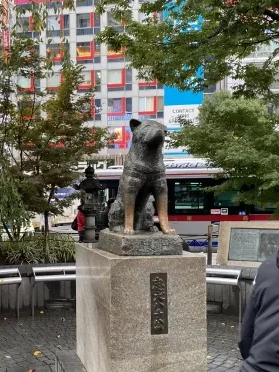
The loyal dog Hachiko waited every day for his owner at Shibuya Station—even after his owner passed away. Today, the statue stands as one of Tokyo’s most beloved meeting points. The line for photos was long (rain doesn’t stop anyone here), so we admired him from a distance.
Just steps away is the legendary Shibuya Crossing, which somehow looks even more dramatic in the rain. Reflections of giant LED screens shimmer across the crosswalk as hundreds of people move in perfect organized chaos. If you want an elevated view, head into Shibuya Sky or one of the cafés overlooking the intersection.
Shinjuku Wanderings
From Shibuya, we made our way to Shinjuku—one of Tokyo’s busiest and most electric districts.
Our first stop was the giant 3D cat billboard near Shinjuku Station. The hyper-realistic cat appears to leap out of the screen and meow at passersby. It’s oddly charming and draws small crowds throughout the day.
Shinjuku in the rain feels very “Blade Runner”—neon signs glowing, reflections everywhere, salarymen rushing past, and the faint hum of train announcements overhead.
We browsed the new Uniqlo flagship store, though it felt noticeably more crowded compared to the Ginza branch. If you prefer a calmer shopping experience, I’d still recommend Uniqlo Ginza—it’s larger and easier to navigate.
If you’re nearby, this area is also known for:
- Omoide Yokocho (tiny nostalgic alleyways)
- Kabukicho entertainment district
- Department store food halls (great rainy-day exploration)
Dinner at Minoru Shokudo (Ginza)
We ended the drizzly day back in Ginza with dinner at Minoru Shokudo, located atop the Mitsukoshi Ginza department store.
After walking in the rain all day, a warm, comforting meal felt perfect. The restaurant focuses on seasonal Japanese ingredients, and the atmosphere was cozy without feeling too formal. Large windows overlook the city, and at night Ginza feels polished and serene.
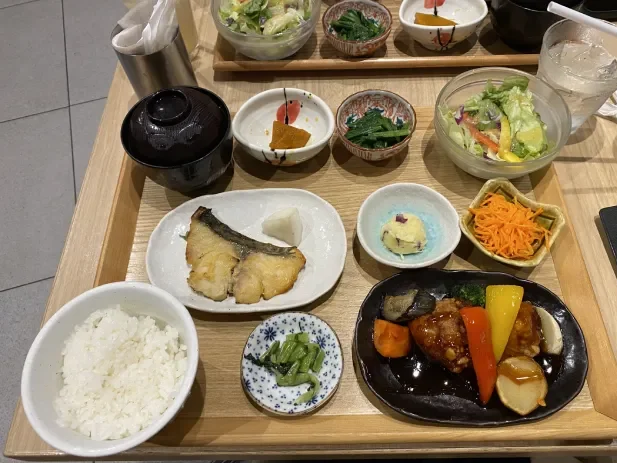
Department store dining in Japan is underrated—many of them house high-quality restaurants on their upper floors. It’s a great strategy for rainy days when you want good food without wandering too far.
Why Tokyo Is Still Magical in the Rain?
If you’re worried about rain during your Tokyo trip—don’t be. The city is built for it:
- Train stations are connected underground
- Convenience stores are everywhere
- Covered shopping arcades protect you
- Cafés make perfect hideaways
In some ways, a rainy Tokyo day feels more atmospheric than a sunny one.
Day 3: Sunny Ginza & Last-Minute Shopping
Our final morning in Tokyo greeted us with something we hadn’t seen the day before—sunshine. After two grey, rainy days, the blue sky made the city feel brand new.
There’s something special about last days in a big city. You’re no longer figuring things out—you’re moving with confidence, revisiting favorites, and squeezing in those “I’ll buy it later” items.
And for that, Ginza is perfect.
Morning Coffee at Starbucks Reserve Ginza
We began with breakfast at Starbucks Reserve Store Ginza, a more intimate but beautifully designed branch compared to the Nakameguro roastery.
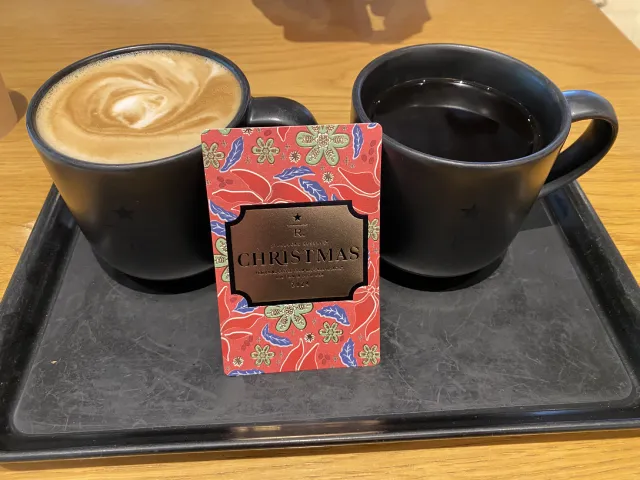
With sunlight pouring through the windows and Ginza slowly waking up below us, it felt like a calm way to start our final Tokyo morning. We kept it simple—coffee and a light pastry—saving our energy (and luggage space) for shopping.
Matsumoto Kiyoshi (Matsukiyo)
If you’re into Japanese skincare and beauty products, this is your playground. The Ginza branch is well-stocked and easy to browse.
Popular items to look for:
- Hydrating toners
- Sheet masks (perfect gifts!)
- Lip balms
- Hair wax
- Sunscreen (Japan makes excellent lightweight formulas)
Tax-free shopping is available—just bring your passport.
Uniqlo Flagship Store Ginza
Next, we headed to the massive Uniqlo Ginza flagship store—the largest Uniqlo in the world.
Compared to the Shinjuku branch, Ginza felt more spacious and organized. With multiple floors dedicated to different categories, it’s surprisingly easy to navigate if you go early.
Why shop Uniqlo in Japan?
- Wider product selection
- Japan-exclusive items
- Occasional limited collections
- Generally better pricing
If you’re planning to buy basics (Heattech, Airism, linen pieces), this is the place to do it.
Ginza Book Café
After the shopping rush, we slowed down at a cozy Ginza book café. There’s something uniquely peaceful about Japanese bookstores—beautifully curated shelves, minimal design, and customers quietly flipping through pages.
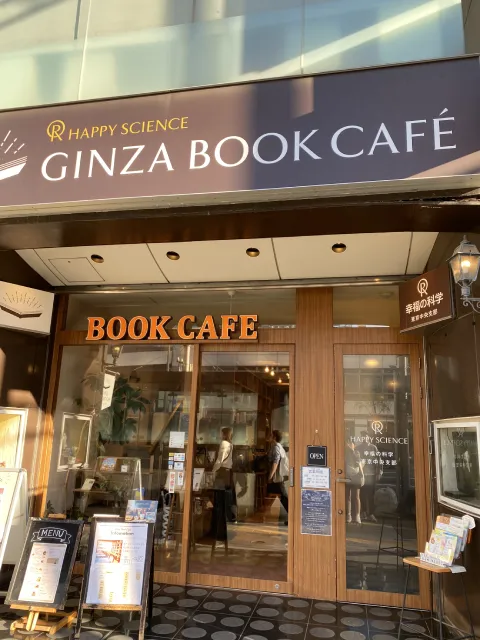
Even if you don’t read Japanese, the photography books, travel guides, and design magazines are inspiring. It’s a nice pause between shopping stops.
Daiso & Muji Finds
No Japan trip feels complete without stopping at Daiso.
Don’t let the “100-yen shop” label fool you—Daiso is surprisingly fun. From clever storage solutions to cute stationery and travel organizers, it’s easy to fill a basket quickly. Great for small souvenirs that won’t break your budget.
Then, of course, Muji.
Muji is minimalist heaven. Neutral tones, functional design, and everyday items that somehow feel aesthetic. We picked up small souvenirs and practical travel items. If you like thoughtful, design-forward pieces, Muji is hard to leave empty-handed.
Sunday in Ginza: Pedestrian Paradise
One of the best surprises? It was Sunday.
On Sundays, Ginza closes its main street to traffic (a tradition known as “Hokosha Tengoku,” or pedestrian paradise). The wide boulevard transforms into a relaxed promenade filled with shoppers, street performers, and people simply enjoying the sunshine.
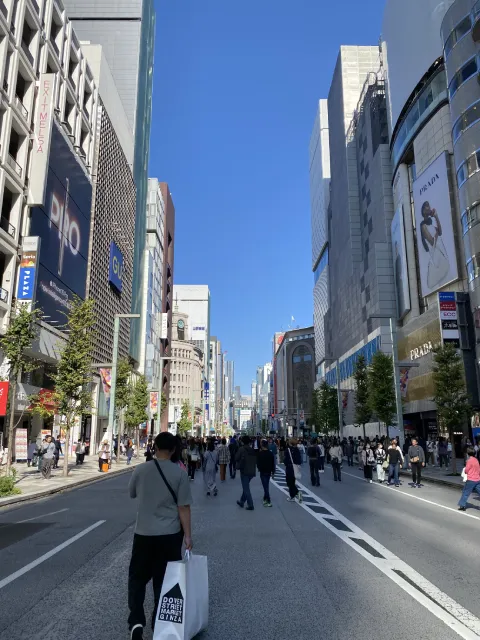
Without cars, Ginza feels festive yet elegant. We strolled slowly, admired luxury storefronts, and took photos without worrying about traffic. If your Tokyo itinerary is flexible, try to plan Ginza on a Sunday—it’s worth it.
Farewell Dinner at Ippudo Ramen
For our final dinner in Tokyo, we kept it simple and comforting at Ippudo Ramen.
A steaming bowl of spicy ramen and crispy gyoza felt like the perfect send-off meal. Rich broth, springy noodles, soft-boiled egg—classic, satisfying, no frills.
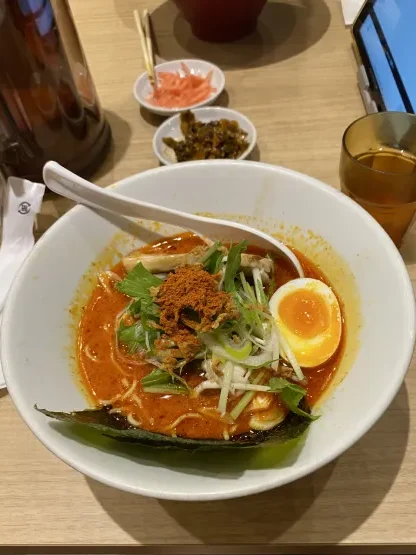
Sometimes the best last meal isn’t fancy. It’s warm, filling, and exactly what you crave before heading back to your hotel to pack.
Places on My Tokyo “Next Time” List
Even after two visits, Tokyo has endless corners I’ve yet to explore. If I’m lucky enough to return, these spots are at the top of my must-see list—and you might want to add them to yours too:
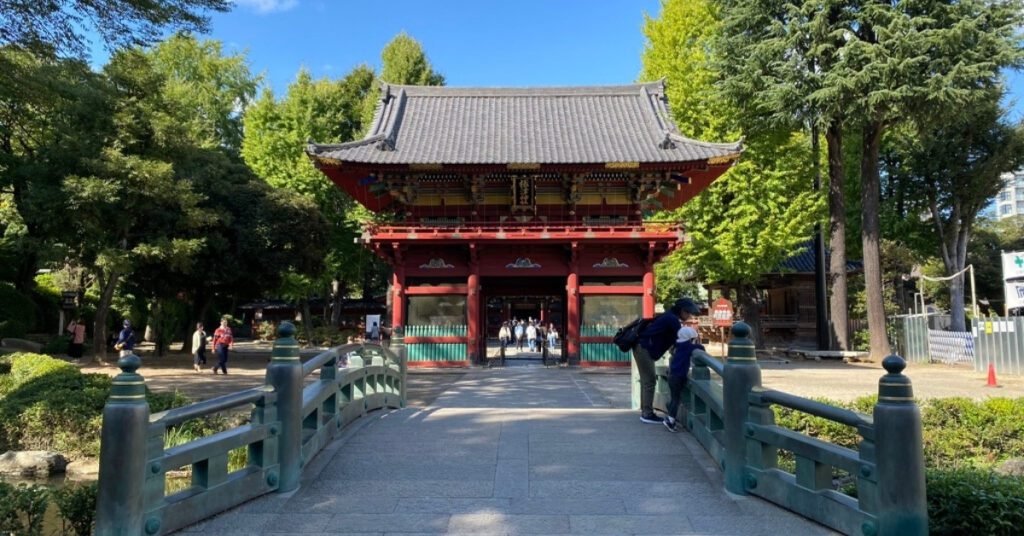
- Meiji Jingu Shrine – A peaceful Shinto shrine tucked inside a lush forest near Harajuku; perfect for a quiet walk and traditional architecture.
- Tokyo Disneyland & Tokyo DisneySea – The ultimate pair for a full day (or two!) of Disney magic. DisneySea is unique to Japan with its nautical theme and stunning evening shows.
- Tsukiji Outer Market – Still buzzing with fresh seafood stalls and street snacks even after the inner market moved to Toyosu.
- Yanaka District – One of the few areas that kept its old-town charm, with narrow lanes, temples, and vintage shops.
- Odaiba – A futuristic waterfront area with the giant Unicorn Gundam statue, teamLab Borderless (reopening soon), and night views of Rainbow Bridge.
- Ueno Park & Tokyo National Museum – Ideal for cherry blossoms in spring and a deep dive into Japanese art and history.
- Kappabashi Street – A paradise for kitchenware and those ultra-realistic plastic food displays.
- Shimokitazawa – Trendy, bohemian vibes with record stores, thrift shops, and cozy cafés.
- Nakameguro Canal – Stunning during cherry blossom season and lined with stylish boutiques and coffee spots.
- Roppongi Hills Mori Art Museum & Sky Deck – Contemporary art exhibits plus a rooftop with sweeping city views, especially magical at night.
- Ghibli Museum (Mitaka) – A whimsical journey into Studio Ghibli’s beloved animated worlds; tickets sell out fast, so plan ahead.
Tokyo is a city you can never truly “finish,” and that’s the beauty of it—there’s always another neighborhood, another flavor, another unforgettable view waiting for the next trip.
Takeaway
Ending my Japan journey back in Tokyo felt like tying a ribbon around a beautifully wrapped gift. The city manages to be both hyper-modern and deeply traditional at the same time: bullet trains gliding with perfect precision, quiet café mornings tucked between skyscrapers, and neighborhoods that each tell a completely different story.
Over three days, we experienced a little bit of everything—efficient transport, incredible food, thoughtful design, and districts that shifted in mood from neon-lit and electric to calm and refined. From rainy crossings in Shibuya to sunlit Sunday strolls in Ginza, Tokyo proved that even a short stay can feel full and layered.
If you’re planning a similar trip, here are a few takeaways I’d share:
- Reserve key experiences early. Popular cafés and character-themed spots book up quickly, and Shinkansen seat reservations (especially window seats for Mount Fuji views) are worth securing in advance.
- Balance big sights with slow moments. A quiet coffee break or bookstore visit can be just as memorable as a famous landmark.
- Use your IC card everywhere. From trains to vending machines, it saves time and eliminates the hassle of small change.
Even after three full days, it felt like we had only scratched the surface. And maybe that’s the magic of Tokyo—it always leaves you wanting just one more neighborhood, one more meal, one more train ride.
This Tokyo chapter—and my entire Japan adventure—reminded me to savor both the grand highlights and the everyday details. Whether it’s your first visit or your fifth, Tokyo has a way of making you plan your return before you’ve even packed your suitcase.
Tokyo doesn’t just impress you — it lingers with you.
Frequently Asked Questions:
1. Is 3 days in Tokyo enough?
Yes, 3 days in Tokyo is enough to experience the highlights if you plan strategically. In three days, you can explore major neighborhoods like Shibuya, Shinjuku, and Ginza, enjoy iconic food like ramen and shabu-shabu, visit skyline viewpoints, and still have time for shopping and café breaks. While you won’t see everything, it’s enough to get a strong feel for the city.
2. What is the best way to travel from Osaka to Tokyo?
The fastest and most convenient way to travel from Osaka to Tokyo is the Nozomi Shinkansen (bullet train). The journey takes about 2.5 hours and runs frequently throughout the day. Booking seats in advance through the Smart EX website allows you to reserve specific seats and link them to your IC card for easy station entry.
3. Which side of the Shinkansen has the best view of Mount Fuji?
When traveling from Osaka to Tokyo, reserve seats D and E (right-hand side of the train) for the best chance of seeing Mount Fuji. The mountain typically appears about 35–45 minutes before arriving in Tokyo, weather permitting.
4. Where should I stay for a 3-day Tokyo trip?
For a short trip, staying near Ginza, Tokyo Station, Shibuya, or Shinjuku is ideal. These areas offer excellent train connections, dining options, and easy access to major attractions. Ginza is especially convenient for shopping and a more refined atmosphere.
5. What should I do in Tokyo on a rainy day?
Tokyo is very rain-friendly. On a rainy day, visit indoor attractions like Starbucks Reserve Roastery, department stores, shopping malls, or cafés. Neighborhoods like Shibuya and Shinjuku are still exciting in the rain, with neon lights reflecting beautifully on the streets.
6. Is Ginza good for shopping?
Yes, Ginza is one of the best shopping districts in Tokyo. You’ll find luxury brands, the Uniqlo Ginza flagship store, Muji, Daiso, bookstores, department stores, and excellent restaurants. If you visit on a Sunday, the main street becomes pedestrian-only, creating a festive atmosphere.
7. What are the best souvenirs to buy in Tokyo?
Popular souvenirs include Japanese skincare products (toners, sheet masks, sunscreen), Uniqlo clothing, Muji home goods, matcha treats, and snacks from department store food halls. Drugstores like Matsumoto Kiyoshi are especially good for beauty and skincare finds.
8. Do I need to reserve Shinkansen tickets in advance?
It’s not mandatory, but reserving Shinkansen tickets in advance is recommended, especially during peak travel seasons. Booking early ensures you get preferred seating (like Mount Fuji views) and avoids last-minute stress.
9. Is Tokyo easy to navigate for first-time visitors?
Yes, Tokyo is surprisingly easy to navigate thanks to its efficient train system and clear signage in English. Using an IC card makes public transportation simple, and Google Maps works very accurately for train routes and transfers.
10. Where can I see a good view of Tokyo Tower?
One great spot is Azabudai Hills (Mori JP Tower), where you can enjoy elevated views of Tokyo Tower from an indoor observation area or café. It’s less crowded than some major observatories and offers a modern setting.
11. What food should I try during a 3-day Tokyo itinerary?
Must-try foods include ramen, shabu-shabu, sushi, gyoza, takoyaki, and Japanese convenience store snacks. Even simple meals, like a bowl of tonkotsu ramen, can become a highlight of your Tokyo experience.
12. What is the best neighborhood to explore in Tokyo for first-timers?
Shibuya and Shinjuku offer classic Tokyo energy with busy crossings, shopping, and entertainment. Ginza provides a more elegant atmosphere with wide streets and refined shopping. Combining these areas in a 3-day itinerary gives you a well-rounded experience.
Enjoyed this guide? Share it with a friend who’s planning their next adventure!
AUTHOR

Written by Princess — Helping first-time travelers explore the world stress-free.