
3 Days in Tokyo: Top Sights, Mt. Fuji & Hidden Gems
Tokyo was the first stop on our Japan trip, and honestly — it couldn’t have been a better introduction. The city feels like a mix of futuristic skylines, peaceful temples, quirky neighborhoods, and endless shopping streets. At first, it can be overwhelming (especially if it’s your first time in Tokyo), but once you get into the rhythm, it becomes one of the most exciting cities to explore.
This post is all about how we spent 3 days in Tokyo — from immersive art and city views to a day trip to Lake Kawaguchiko and Mt. Fuji. If you’re planning your own Tokyo adventure, this itinerary will give you ideas plus plenty of tips I wish I knew before going.
This Tokyo itinerary is just one chapter of our month-long Japan adventure. From Kyoto’s timeless temples to the charming streets of Kanazawa and the alpine beauty of Takayama, follow the entire route for inspiration to plan your own unforgettable Japan trip.
Disclaimer: Some of the links in this post are affiliate links, which means I may earn a small commission — at no extra cost to you — if you make a purchase through them. You can read my full disclaimer here.
Planning your trip to Tokyo
How to Get to Tokyo
Most international travelers land at either Narita International Airport (NRT) or Haneda Airport (HND).
- From Narita: The fastest way into the city is the Narita Express (N’EX), which takes about an hour to Tokyo Station. A cheaper option is the Keisei Skyliner to Ueno.
- From Haneda: This airport is closer, only 30 minutes from central Tokyo by the Tokyo Monorail or the Keikyu Line.
- Airport buses and taxis are also available, but they take longer and cost more.
Where to Stay in Tokyo
Tokyo has accommodation for every budget. Here are some great picks:
- Budget Hotels
- Sakura Hotel Jimbocho – Affordable, friendly, and central.
- Khaosan Tokyo Origami – A hostel with a great social vibe.
- APA Hotel Shinjuku Kabukicho – Compact rooms, budget-friendly, and right in the action.
- Mid-Range Hotels
- Hotel Gracery Shinjuku – Famous for its giant Godzilla head.
- Shibuya Excel Hotel Tokyu – Steps from Shibuya Crossing.
- Richmond Hotel Premier Tokyo Oshiage – Great views of Tokyo Skytree.
- Luxury Hotels
- Park Hyatt Tokyo – Iconic luxury (featured in Lost in Translation).
- Aman Tokyo – Minimalist, sleek, and incredibly serene.
- The Peninsula Tokyo – Classic luxury with amazing service.
Getting Around Tokyo
We used the Tokyo Metro 3-Day Pass, which gave unlimited rides on most metro and Toei subway lines. Some buses weren’t covered, so I also got a PASMO card (loaded on my Apple Wallet) for extra convenience. If you’re on Android, you can buy a PASMO or Suica card at the airport, JR stations, or metro stations. They’re rechargeable and super handy for both trains and convenience stores.
Local Food to Try in Tokyo
Tokyo is a foodie paradise. Some must-try dishes include:
- Sushi – Especially at Tsukiji Outer Market or conveyor belt sushi chains.
- Ramen – Popular spots include Ichiran and Afuri (yuzu ramen!).
- Tempura – Light and crispy, best eaten fresh.
- Okonomiyaki & Monjayaki – Savory pancakes you cook at the table.
- Yakitori – Grilled skewers, often eaten in izakayas.
Day 1 – Art, City Views & Night Strolls
teamLab Planets
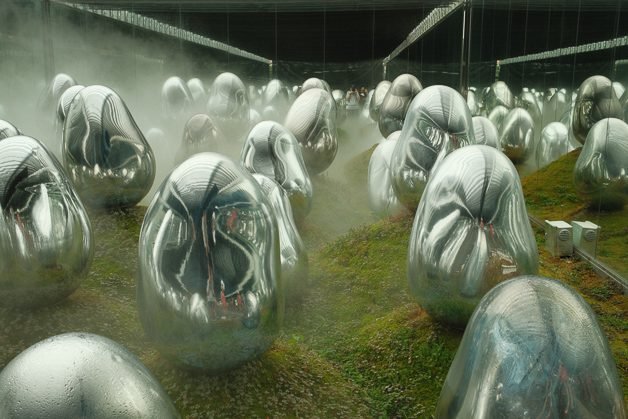
We kicked off our Tokyo adventure at teamLab Planets, one of the most immersive digital art museums in Japan. Visitors walk barefoot through rooms filled with water, mirrors, and interactive light installations that respond to your movement.
The most famous room is the hanging flower installation — it’s Insta-famous and usually the most crowded, but still worth experiencing.
👉 Book tickets here.
Shibuya Crossing & Shibuya Sky
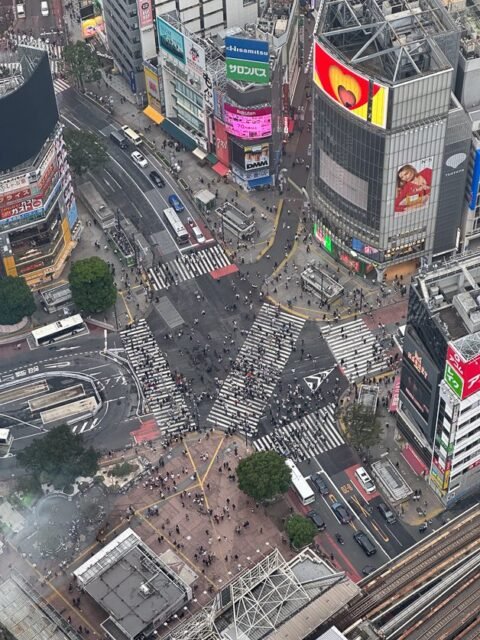
Next, we headed to Shibuya — home to the world-famous Shibuya Scramble Crossing. It wasn’t too crowded at noon, but the energy of hundreds of people crossing at once was still unforgettable.
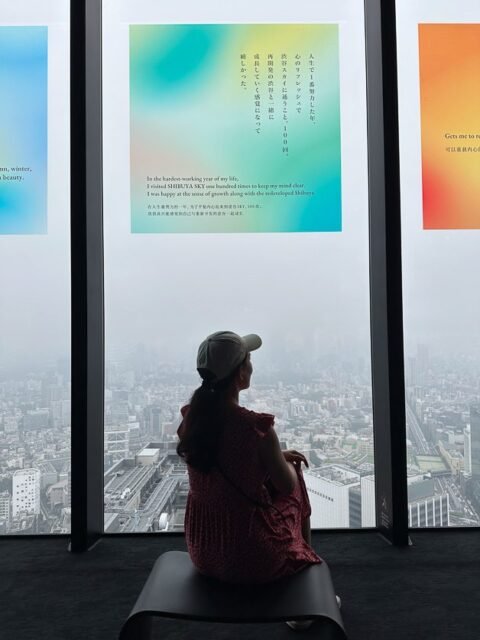
We then visited Shibuya Sky, the 360° observation deck at the top of Shibuya Scramble Square. From here, you can see Tokyo’s skyline and (on a clear day) Mt. Fuji. Shibuya Sky opened in 2019 and is the highest point in Shibuya at 229 meters, designed to make visitors feel like they’re floating above the city.
Shibuya Sakura Stage
A hidden gem in Shibuya, this spot features vibrant pink-lit installations at night. It took a little effort to find, but the atmosphere was magical once the lights turned on.
Takeshita Street
On the way back, we strolled through Takeshita Street in Harajuku — colorful, quirky, and full of unique shops. Takeshita Street is only about 350 meters long, but it’s considered the birthplace of many Tokyo fashion trends, especially Harajuku’s “kawaii” culture.
Shinjuku by Night
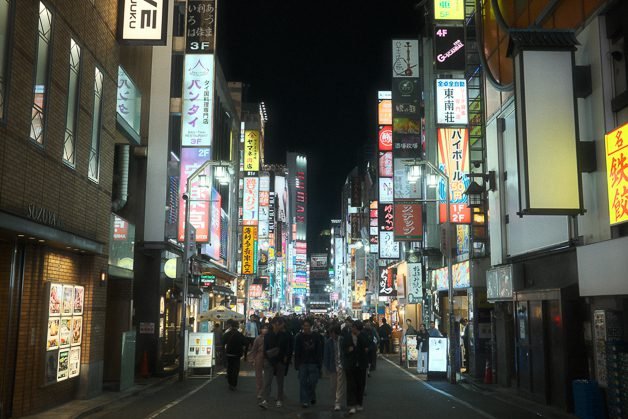
We ended the day in Shinjuku, known for its neon lights, nightlife, and entertainment. Even though it was raining, the lively atmosphere didn’t stop us from strolling around. Don’t forget to drop by Don Quijote which is open 24/7.
We stayed at Hotel Gracery Shinjuku, famous for its giant Godzilla head perched above the building — a fun landmark to wake up to!
Day 2 – Day Trip to Lake Kawaguchiko & Mt. Fuji
A trip to Tokyo isn’t complete without seeing Mt. Fuji, and the most popular (and accessible) viewing spot is Lake Kawaguchiko.
We originally planned to take the direct highway bus, but tickets were already sold out. Instead, we hopped on the train (with one transfer) for a scenic two-hour ride. We got off at Shimoyoshida Station and enjoyed a pleasant walk—followed by a steady climb—up to Arakurayama Sengen Park.
Chureito Pagoda at Arakurayama Sengen Park
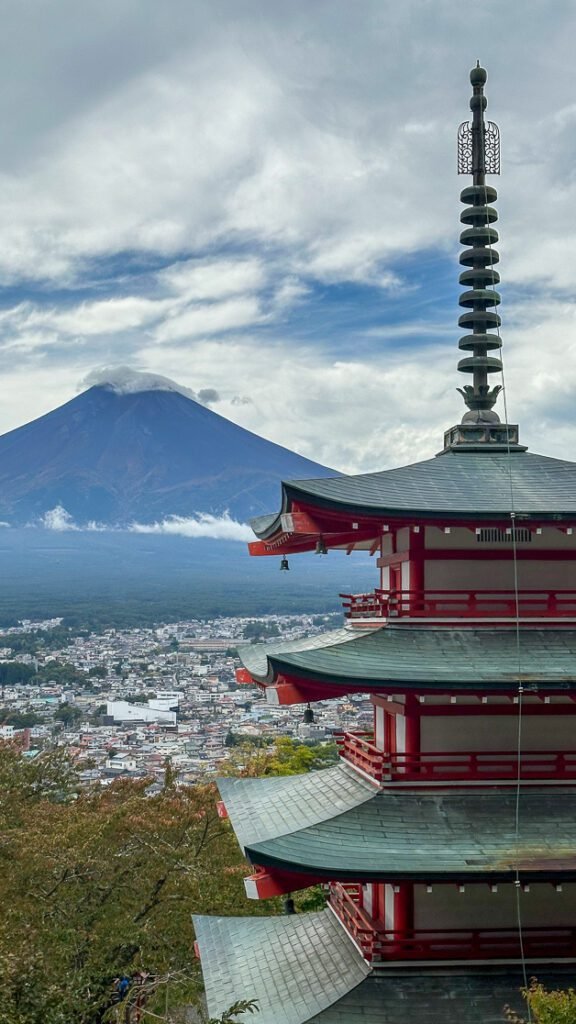
This is one of the most iconic Mt. Fuji photo spots — with the red Chureito Pagoda in the foreground and Mt. Fuji rising behind it. The pagoda was built in 1963 as a peace memorial and has since become one of Japan’s most photographed spots, especially during cherry blossom season.
Oishi Park
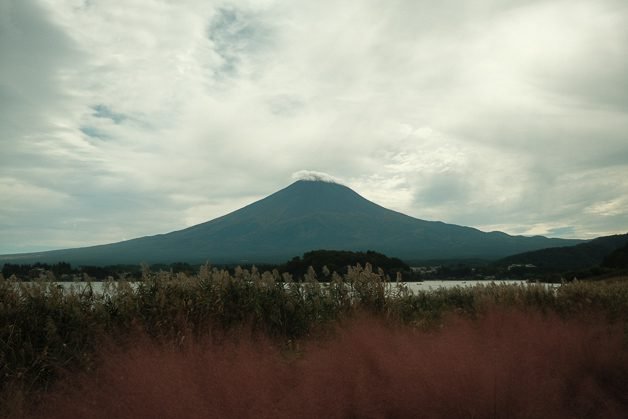
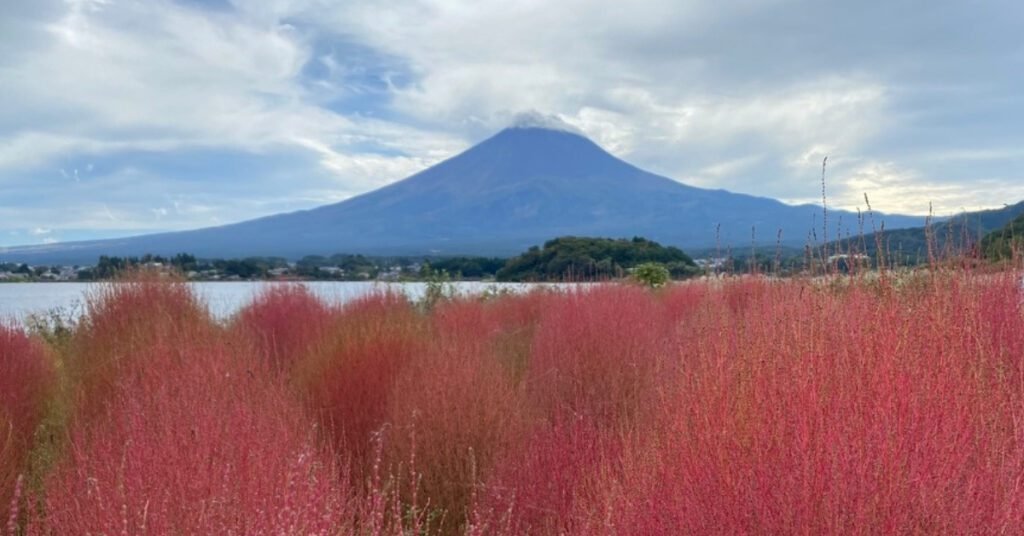
Located by Lake Kawaguchiko, this park offers stunning lakeside views of Mt. Fuji, especially in autumn and spring when seasonal flowers bloom. On our visit, we saw adorable kochia “flaming bushes” lining the walkways.
Lake Bake Café
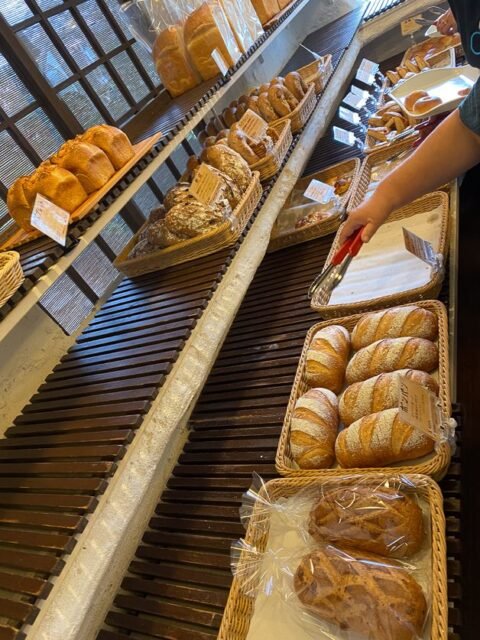
A cozy café and bakery right by the lake. The café was closed when we visited, but the freshly baked breads were excellent for takeaway.
Hotou Fudo
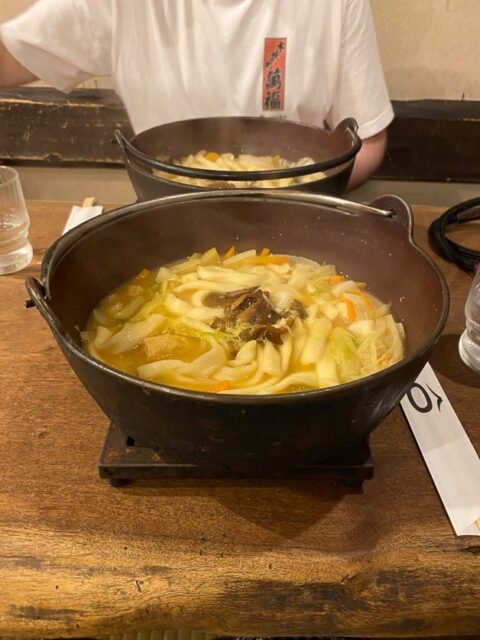
For our late lunch, we tried Hotou Fudo, famous for its hearty noodle soup. Perfect comfort food before heading back to Tokyo. Hōtō noodles are a local specialty of Yamanashi Prefecture, traditionally eaten to stay warm during the cold winters.
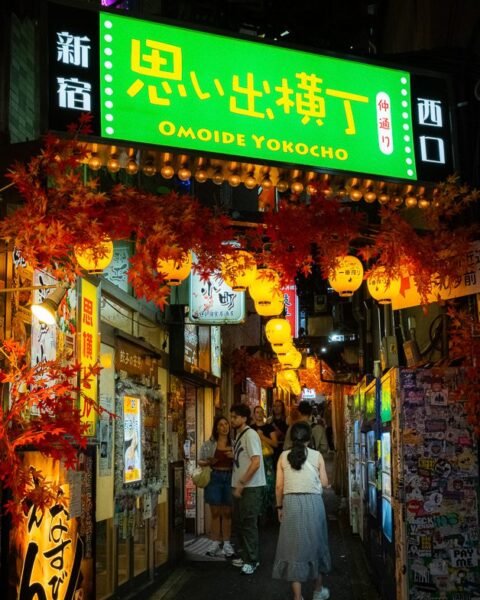
Omoide Yokocho
After returning to Tokyo (about 2 hours by train), we decided to check out Omoide Yokocho in Shinjuku. While it’s famous for its narrow alleys and yakitori stalls, it felt overpriced and crowded.
Day 3 – Temples, Shrines & Old Tokyo Charm
Tokyo isn’t just neon lights and skyscrapers — it’s also home to countless temples and shrines. On our third day, we explored a mix of peaceful hidden spots and iconic landmarks.
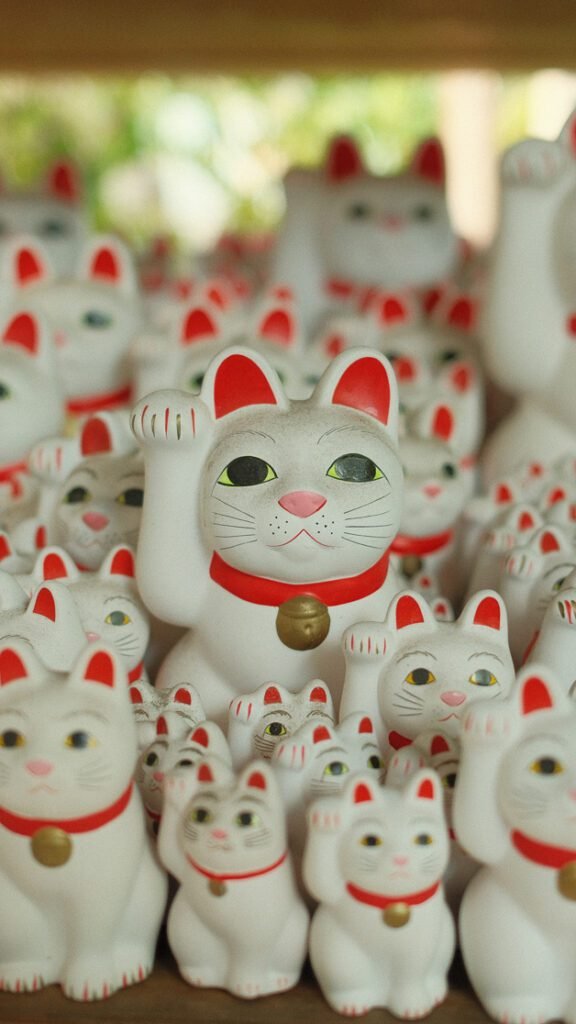
Gotokuji Temple (The Cat Temple)
Famous as the birthplace of the maneki-neko (beckoning cat), Gotokuji is filled with thousands of cat figurines left by worshippers. Located in a quiet neighborhood, it was wonderfully peaceful when we visited in the morning.
Hie Shrine
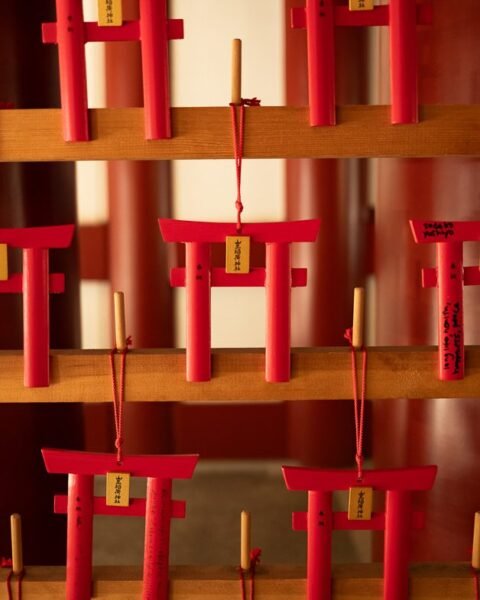
Located right in the middle of Tokyo’s business district, this shrine features a mini version of Kyoto’s Fushimi Inari with its red torii gates. It’s much less crowded than its Kyoto counterpart.
Nezu Shrine
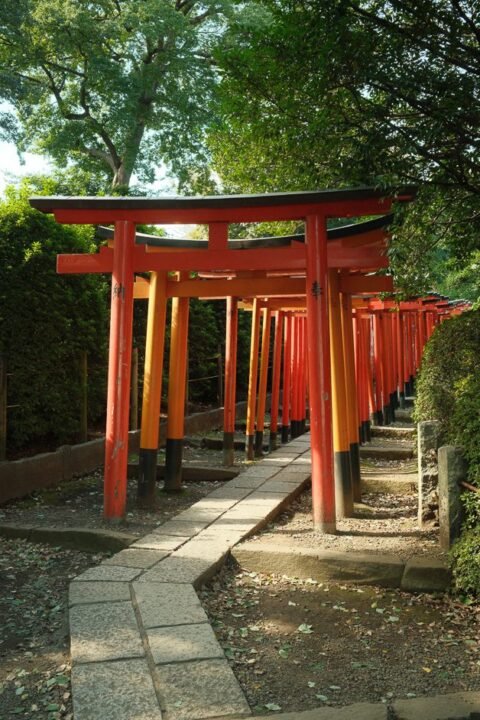
One of Tokyo’s oldest shrines, Nezu Shrine is known for its koi ponds, turtles, and multiple torii gates. The grounds are beautiful and calm, away from the tourist crowds.
Hanare Coffee Studio
We stopped at a local café for coffee and pudding. The atmosphere was retro and cozy, with old music playing in the background.
Sensō-ji Temple & Nakamise-dori Street
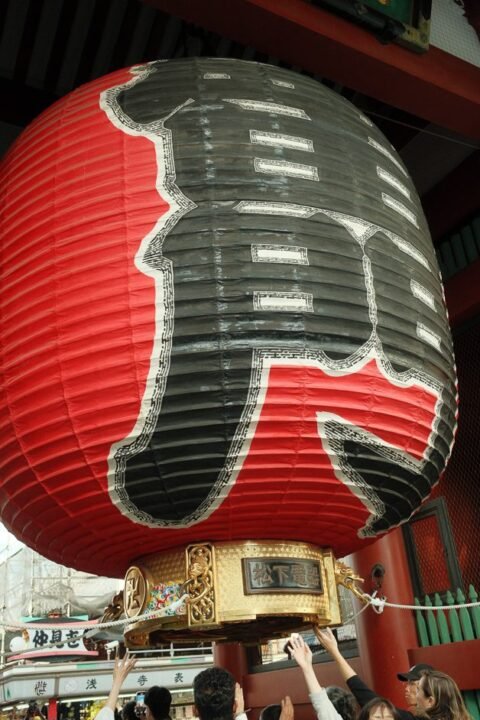
No trip to Tokyo is complete without visiting Sensō-ji, Tokyo’s oldest and most famous temple. The approach is through Nakamise-dori, a lively shopping street filled with food stalls and souvenir shops.
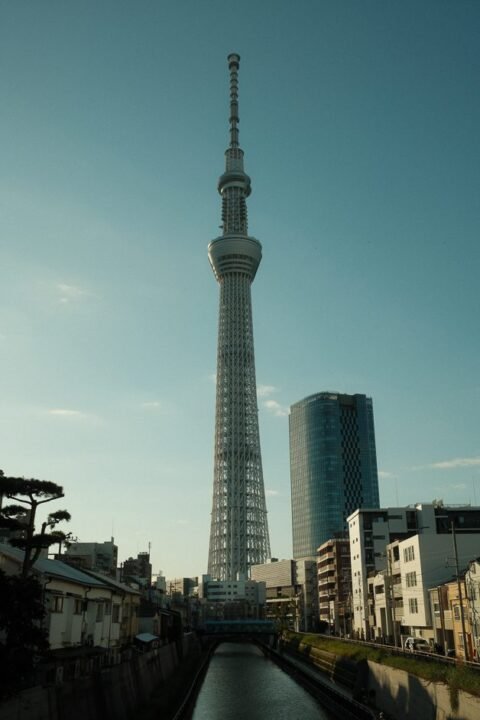
Jukken Bridge & Tokyo Skytree
Before sunset, we headed to Jukken Bridge, a hidden spot for Skytree photography. From here, you can watch the Tokyo Skytree light up as the sun sets in the background — a peaceful moment and one of the best places to capture Tokyo’s skyline.
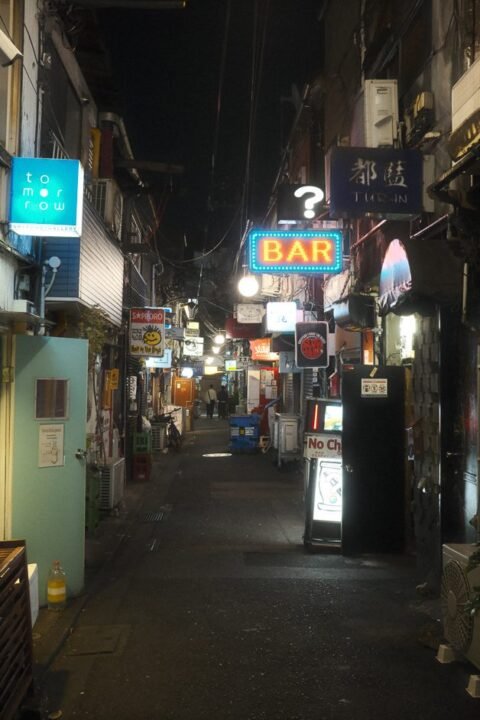
Golden Gai
We wrapped up in Golden Gai, a cluster of tiny bars in Shinjuku. It’s gritty, lively, and a fun place to end the night if you want to experience Tokyo nightlife.
Final Thoughts on 3 Days in Tokyo
Three days in Tokyo might sound short, yet this itinerary shows how much you can experience when city energy meets timeless tradition. From the dreamlike digital art of teamLab Planets to the electric buzz of Shibuya Crossing, each stop reveals a different side of Japan’s capital. The serene temples of Gotokuji and Nezu, plus the hidden photo spot at Jukken Bridge, balance the neon lights with quiet, soulful moments.
The day trip to Lake Kawaguchiko and Mt. Fuji adds a breathtaking contrast—snow-capped peaks and mirror-like waters are only a train ride away. Along the way you’ll taste comforting bowls of hoto noodles, discover tiny izakayas in Golden Gai, and capture skyline views from Shibuya Sky that you’ll remember long after the trip.
Whether you’re planning your first visit to Tokyo or returning to uncover new layers of the city, this three-day plan offers a perfect mix of culture, food, and iconic sights. Use it as a blueprint, then let your own curiosity guide you to even more hidden gems.
And this was only the beginning! We spent another 3 days in Tokyo at the end of my Japan trip, so stay tuned for Part 2 of this itinerary.
Tokyo never runs out of surprises—you’ll leave already dreaming of the next visit.
Enjoyed this guide? Share it with a friend who’s planning their next adventure!
AUTHOR

Written by Princess — Helping first-time travelers explore the world stress-free.
Love your pictures!